呼吸哲学的方法主要是现象学的方法,但也不局限于现象学。我们看到,呼吸哲学打开了东西哲学对话的新维度。无论是印度的瑜伽哲学,还是中国哲学,都有特别深厚的以“气”为思考原点的、非二元对立式的思想传统。日本神户大学最近更是成立了气–氛围学研究中心。比较哲学如果以气–呼吸为切入点,面貌将大为不同。例如Petri Berndtson在The Routledge Handbook of Phenomenology of Mindfulness (edited by Susi Ferrarello and Christos Hadjioannou, Routledge, 2023) 中写作的章节“The Respiratory Context of Dukkha and Nirvana: The Buddha’s Mindful Phenomenology of Breathing”中,从呼吸哲学的视角重新解释了佛家四谛说。以呼吸释四谛(苦谛、集谛、灭谛、道谛)大有深意。
我自己也在做这方面的尝试。2024年9月刚刚在芬兰由University of Jyväskylä的社会科学与哲学系举行的主题国际会议“Thinking with Tea: Cross-Cultural Reflections”上,我做了题为“What Does the Tea Field Mean? An exploration of the ontological origin of tea”,以呼吸哲学阐释中国茶文化,为茶赋予本体论上的特殊性。有关汉字中的气学思想研究,也有望在不久后发表。用呼吸–气来切入本体论,大有可图。
Similarly, the word “respiration” gains its full meaning only within a network of significance, where inspiration, expiration, and many other words that stem from the root spirare are well embedded, embodied, and actively meaningful.
(Over several centuries, from the Greeks to Kant, a revolution took place in philosophy: the subordination of time to movement was reversed, time ceases to be the measurement of normal movement, it increasingly appears for itself and creates paradoxical movements.) (p. XI)
德勒兹从电影的角度出发,揭示了这一倒置的后果之一,即感知与能动的“失连”(the loosening of the sensory-motor linkage),亦即人对世界的感知不再对应着确定的、明晰的反应和行动;在某种意义上,人成为世界的看客,而非亲历世界的行动者。战后的世界就如德勒兹所述的以时间–影像为主导的电影世界一样:时间的连续性与运动的连续性脱钩,时间不再是运动的布景,或者至少不再被当作毫无疑问地能够在行动中把握的单一形象。时间本身被直接体验为不相连的、碎片化的实在,而这实在有着复杂的多层结构,令人迷失其中。感知与能动的这一断裂在宏观的实践层面上体现为情境与行动的断裂:
(Situations could be extremes, or, on the contrary, those of everyday banality, or both at once: what tends to collapse, or at least to lose its position, is the sensory-motor schema which constituted the action-image of the old cinema… The unities of situation and action can no longer be maintained in the disjointed post-war world.) (p. XI)
(Only belief in the world can reconnect man to what he sees and hears. Whether we are Christians or atheists, in our universal schizophrenia, we need reasons to believe in this world. It is a whole transformation of belief…belief replaces knowledge only when it becomes belief in this world, as it is.) (p. 172)
所以,我对存在着的呼吸和沉默的身体着迷。当然,这种着迷本身就可以被多重解读。首先,它意味呼吸与身体包含一种非–自我性(non-subjectivity / pre-subjectivity)。无论是Hedwig Conrad-Martius所谈的“存在裹缚着身体”(being clothes itself with the body, envelops itself in it, encircles, encloses, seals itself up in itself—constitutes the being of its self [selbstig] that is monadic, separated from all others)(Metaphysical Conversations and Phenomenological Essays, p. 144),还是梅洛–庞蒂的“世界的肉身照亮我的身体”(it is by the flesh of the world… that one can understand the corps propre)以及“我驻居于身体”(a body one inhabits, the other… as an inhabitant of a body),都暗含了我与“我自身”以及我与“世界自身”的模糊的、有待确定的非等同性。
在此双重意义上,追寻实在的紧迫性关联着追寻呼吸和身体的紧迫性:对世界信仰的缺失,根源就在于我们和世界肉身的断裂。换句话说,我们不再相信世界是“活生生”的。我们甚至不相信自己的肉体是活生生的:工具性、功能性、社会性早已在我们自觉地体验到活生生的身体之前捆缚住、控制住了身体,使得我们需要“非常特别的理由”(very special reasons)去相信世界的肉体性和自我的肉身性。德勒兹在之前引文的随后段落从对世界信仰的缺失谈到对肉身信仰的缺失:
(…the point is to discover and restore belief in the world, before or beyond words…What is certain is that believing is no longer believing in another world, or in a transformed world. It is only, it is simply believing in the body. It is giving discourse to the body, and, for this purpose, reaching the body before discourses, Thought and cinema.) (p. 173)
(Before words, before things are named: the “first name”, and even before the first name… believe in the flesh…Give words back to the body, to the flesh.
Our belief can have no object but ‘the flesh’, we need very special reasons to make us believe in the body (“the Angels do not know, for all true knowledge is obscure…”). We must believe in the body, but as in the germ of life, the seed which splits open the paving-stones, which has been preserved and lives on in the holy shroud or the mummy’s bandages, and which bears witness to life, in this world as it is.) (pp. 171–173)
当然,这里德勒兹疾呼的相信肉身、相信世界,不可以完全等同于后期梅洛–庞蒂的肉身性概念(there is the world, the flesh of the world),后者赋予肉身性加斯东·巴什拉(Gaston Bachelard)意义上的元素(element)内涵。肉身的概念是介于存在和存在者之间的、具有二元共生属性的基本原则。但是,二者的差异不影响我们去思考肉身何以长久地被抛掷在二元论的哲学论调之外。
最具说服力的一段论证源自Petri Berndtson 和 Lenart Škof共同编辑的呼吸哲学文集Atmospheres of Breathing。该书的封面也就是此次活动海报的背景图,两片肺叶状的、伸向天空的树冠,呼吸着,活生生的。在该书引言部分,两位作者邀请我们共同回忆笛卡尔在《第一哲学沉思集》中著名的一段论述:
(Thus, quite quickly, his task of addressing only himself and looking more deeply into himself to gain pure and indubitable self-knowledge would have manifested itself as a gradual sense of discomfort, leading ultimately to a dreadful experience of anxiety. This also means that Descartes would not have had the chance to state in a calm fashion the famous words, “I am a thinking thing”—rather, his sole thought would have been I am feeling terrible. How long can I hold my breath? I really need to breathe. With this train of thought, the Cartesian philosophy would have been an absolutely different philosophy.) (Škof & Berndtson, 2018, p. XII)
科学家坚信他们以物理学为依托发现了时间的原始面貌,即“宇宙时间”(the time of the universe)。宇宙时间的真相就是没有绝对的宇宙时间;时间总是相对的。当宣称我们在地面上观测到的同时性对于车厢中的观察者而言是非同时性时,狭义相对论就取消了我们所体验到的时间t的自明性和实在性,而增加了无限变换的时间变量t1, t2, … tn。绝对时间观念的取消,使得时间既不需要上帝也不需要意识活动的维持,而成了简单的由该参照系中的钟表定义的概念系统。不论我们体验到了什么,我们的时空只是无限的诸时空之一种。爱因斯坦更是说出了那句著名的“Il n’y a donc pas un temps des philosophes”:哲学家所说的时间是不存在的,只存在一个心理上的时间(psychological time),那是派生在宇宙时间之上的、属于主体体验范畴的时间。
即使对牛顿来说,时间也是上帝给予的(God-given),有其内在的、与上帝同源的绝对和完美。在康德那里,虽然脱离了神圣的时间观,时间也脱离了运动,但它仍然是一个普遍而单一的概念(universal and single concept)。“相对同时”应被理解为一种时间经测量后出现的有趣现象,而非“何为时间”问题的最终答案。
其次,质疑这个思想实验本身。在以上简述的“同时性”思想实验中包含了几个关键要素。同时是指同时发生的事件,而事件预设了感性经验,事件的发生又预设了与事件处于同一参考系的两位测量者。认识时间离不开以人为尺度的测量活动。人,作为有机生物体,有着独立于参考系的恒常的体验时间。体验时间(lived time)比被测量的时间(measured time)更能揭示真实的时间 (time as real)。
柏格森在《绵延与同时性》(Duration and Simultaneity)中详细讨论了狭义相对论中这几个关键要素,并试图论证,相对论理论不能表现全部的真实。柏格森认为,作为一种理论发现,爱因斯坦相对论中的无限多的参考系和彻底相对的时间是可以被接受的,前提是我们不赋予这些理论上可能的时间和参考系以和体验的时间和体验的世界同等或更高的真实性。柏格森的提醒是:经测量得到的时间点是抽象了的时间,是不能作为“瞬时”(instant)独立存在的;测量的时间之所以可能,是将实在时间(绵延,duration)空间化、极化的结果。这种极化要求我们清空时间的内涵,而把永恒的(静止的)属性强加给过去、现在和未来——换句话说,把时间看成空间的第四维。我们必须认识到体验的时间离不开“之前”与“之后”,以及与二者相对应的“相续”(succession)和“绵延”;瞬时的时间只有在这相续和绵延之中才可能,才有意义。
这种强调体验的时间比被测量的时间更真实的主张,柏格森在之后的《创造进化论》(The Creative Evolution)中给出了更清晰全面的阐释。他批判科学家和数学家使用时间的方程来预测未来状态,在这种预测的成功之余时常忘记这是在对未来进行抽象和模拟,因此所使用的概念与真实的实在是不同的,世界的实在性在抽象过程中消失了。正如The Physicist and the Philosopher: Einstein, Bergson, and the Debate That Changed Our Understanding of Time的作者Jimena Canales所说,柏格森的贡献在于指出科学家们倾向于“忽视实在时间和抽象时间的首要差别:前者伴随着的是一个真实系统(a real system)的发展,这个真实的系统就是真实的宇宙。”(Canales, 2015, p. 263)因此柏格森还说,“当他们用t表示时间时,他们实际上是在用一个人工制品、一个抽象的宇宙代替真实的宇宙。”
因此,我们真正要理解的,不是两种时间概念间的差异是否构成矛盾,而是这两种时间属性究竟如何可能。体验的时间(time lived / le temps vécu)是恒常的,并且独立于参考系——例如,前述实验中车厢内的人与地面上的人皆遵循着生命的基本律动,以同样的方式感受时间。而测量得到的时间则是相对于参考系变化的。综合考量这两种现象,将引导我们去寻求更隐秘的时间真相。
当然,我们可以暂时搁置对这种更隐秘的时间真相的追问,而去皈依物理学的测量时间或是经验上直觉的心理时间,这是立场问题。客观的实在与直觉的实在哪个更真实,在某种程度上仍是一个立场问题。对立场的选择背后,是对实在、对世界的基本看法的选择。因而,柏格森说爱因斯坦的狭义相对论是一种嫁接在科学之上的形而上学,它并不是科学(a metaphysics grafted upon science, it is not science)。
(We should see the Husserl-Merleau-Pontian General Thesis or World Thesis or There is thesis (there is the general world, wild and brute.) as the constant thesis of philosophy and our life. It is being in this general, wild world that gives us first access to all other dimensions of being and living.)
正是对这种一般性的、世界性的存在维度的认知,使我们看到个体生命(personal / subjective life)不是生命的全部。生命早已先于我们展开一种前个体性的(pre-personal)、无名的(impersonal)生活。在这种前个体性的生活中,感知与被感知是交织的,我与世界是一体的。这种与世界共在的、还未主客二分的关系,仍维系在呼吸和呼吸所暗暗彰显的肉身的维度(the depth of the body)中。
再来读一读梅洛–庞蒂这句初读起来谜一般的句子:“存在实在地、真正地有所入–息(inspiration)和出–息(expiration),在自身之内呼吸着”(There is really and truly inspiration and expiration of Being, respiration within Being)。如果我们没有从一开始就关闭它所有的意义通道,而把它视作呼吸本体论的开端,那么它就能促使我们沉思——
(Time exists for me because I have a present. It is by coming into the present that a moment of time acquires its ineffaceable individuality, the “once and for all time,” which will allow it later to move across time and will give us the illusion of eternity.)
显然,对于梅洛–庞蒂而言,理解时间的关键是理解当下的场域(Präsenzfeld)。过去、未来成为可能,是因为它们被当下的场域承载着,他们存在于当下的厚度(thickness)中。而这个当下场域在两个维度中扩展开:一是这儿–那儿的维度(the dimension of here-there),二是过去–现在–未来的维度(the dimension of past-present-future)。非常有趣的是,这里梅洛–庞蒂并未把第一个维度命名为空间维度,把第二个维度命名为时间维度。他只提及第二个维度澄清(clarifies)了第一个维度,意味着“这儿”与“那儿”的区分在时间的流动与持存中自明。
(At the beginning of the child’s life… the body is already a respiratory body… [T]he activity of the whole respiratory apparatus gives the child a certain experience of space. After that, other regions of the body intervene and come into prominence.)
这段引文中的思想与我们前述的梅洛–庞蒂关于当下场域在两个维度中铺展的一般看法和谐共振。我们看到,梅洛–庞蒂在探讨生命初期如何体验空间感时,已经预设了时间在过去–现在–未来当中的流逝(the temporal flow)。生命之初的身体已经是一个呼吸着的身体,而这样呼吸着的身体已经包含着时间向度。我们可以推测,时间在这样的身体中随呼吸诞生,并澄清了以我为中心的“这儿”和与我相去距离的“那儿”。在“这儿”与“那儿”的区分中,特定的空间经验(a certain experience of space)形成了。那么,更为深入的问题是:呼吸是如何开辟一个当下的场域,使得时间的流逝成为可能呢?
让我们先试着从《知觉现象学》中寻找答案。这个当下的场域,在前期梅洛–庞蒂的分析中被解释为“时间之一波”(a single temporal wave)或“世界的一瞬”(an instant of the world)。这里,时间被明确定义为先于空间的。事物在空间中的显现,是因为它们分享时间上的同时性(contemporaneity),且与感知主体共同包覆在同一个时间之波浪中。
(I coexist with all the other landscapes that extend beyond, and all of these perspectives together form a single temporal wave, an instant of the world.)
(But the unity and the individuality of each temporal wave is only possible if it is squeezed between the preceding one and the following one, and if the same temporal pulsation that makes it spring forth still retains the preceding one and holds the one to follow in advance. It is objective time that is made up of successive moments. The lived present contains a past and a future within its thickness.)
同一个时间搏动(the same temporal pulsation)是什么呢?每一个时刻都从这种搏动中涌现出来,是它确保了时间“有节奏地”流逝。这种基本的节奏将不同的时间分隔开来,同时还将它们结合在一起。这不是物理意义上的时间,不是简单地由一个个相续的瞬间构成,而是维度(dimensionality)本身。
在《可见的与不可见的》(The Visible and the Invisible)中,这个当下的场域被赋予了“肉身性”在场的特质。单一的时间之波浪(the single temporal wave)是一个从肉身的神秘性中流溢的时空之场(114),被包覆在存在之波浪(the wave of being)中。它是超越的意识(transcendent consciousness)与内在的意识(immanent consciousness)的共同根基,是肉身超于客观时空之外的彻底开放性(openness upon being):
(It [Präsenzfeld] is the double ground of my life of consciousness, it is what makes there be able to be Stiftung not only of an instant but of a whole system of temporal indexes — time (already as time of the body, taximeter time of the corporeal schema) is the model of these symbolic matrices, which are openness upon being.)
(This passage [from being in itself, the objective being, to the being of the Lebenswelt] already indicates that no form of being can be posited without reference to the subjectivity, that the body has a Gegenseite of consciousness, that it is psycho-physical.)
(After analyses of the psychophysical body pass to analyses of memory and of the imaginary—of temporality and from there to the Cogito and intersubjectivity.)
(That means that my body is made of the same flesh as the world (it is a perceived), and moreover that this flesh of my body is shared by the world, the world reflects it, encroaches upon it and it encroaches upon the world, they are in a relation of transgression or of overlapping — This also means: my body is not only one perceived among others, it is the measurant (mesurant) of all, Nullpunkt of all the dimensions of the world.)
第四,这样被解释的灵–肉之身召唤着对心理–生理学的一次修正(a revision of our psycho-physiology);它要求我们彻底反思笛卡尔以来为身–心之物赋予的含义。而这种修正必须与另外一种修正同时考量,那就是对本体论的修正,对主体与客体的重新检视。
灵–肉之身如何可能是呼吸着的身体?首先,“Psycho”原是希腊语词psyche(ψυχή),其意思是“灵魂”“心灵”或“精神”。在古希腊文化中,psyche通常指生命的呼吸或灵魂的呼吸;呼吸为生命和灵魂赋予了本质。呼吸同时也是连接物质生命与精神生命的桥梁。Drew Leder 在The Absent Body一书中,就谈到了呼吸所包含的物质与精神双重属性,后又明确了呼吸的“铰链”(hinge)作用,称它连接着意识与无意识、可见的与不可见的、常态与病态、主动与非主动等等。呼吸在对立面之间兼有二者的功能和属性。连字符(–)是灵–肉之身的显著特征,或许我们可以把它理解为呼吸–气,它是一种流动的、包覆的样态,具有一种弥漫的氛围属性。
其次,呼吸–气可以被同时诠释为存在原始敞开的方式和这种原始敞开发生的场域。近代西方最早的对呼吸进行哲学考察的学者之一Kleinberg-Levin就曾说,呼吸是我们身体的第一次对存在的敞开(Breathing is our body’s first openness to Being)。存在即是呼吸。呼吸不仅是直接的连接、不能被中断的关系;我在这个世界之中,同时亦为着这个世界呼吸,与这个世界共同呼吸。呼吸是我们与世界共谋(conspiracy)的方式。
另外,呼吸形成一种场域的概念,是去对象化的;被呼吸之物无需先抛之于我的对立面才能和我发生关系。呼吸的场域里重要的不是对–置(ob-jects),而是围绕、敞开、无间。这种具有敞开内涵的本体论图式并不鲜见。Berndtson就在他的Phenomenological Ontology of Breathing一书中通过考察梅洛–庞蒂的“dehiscence”和海德格尔“Khaos”概念的词源学意义,将它们诠释为本体论意义上的根本敞开。只有在这种宇宙的敞开中,在最原始的存在中,任何的存在者才有可能存在。Berndtson把这种敞开视作“宇宙的哈欠”(the yawning of cosmos)或“哈欠原则”(the principle of yawning):
(The primordial experience of Khaos or dehiscence is the “fundamental experience” of Being (of the open region, of the universal dimensionality, of the common milieu). Both of these notions mean etymologically yawning or gaping. As Merleau-Ponty intertwines “dehiscence” with “Being” it already reveals that dehiscence is not a being (any thing), but an ontological openness or atmosphere that yawns or gapes between all beings.)
(Sleep arrives when a certain voluntary attitude suddenly receives from the outside the very confirmation that it was expecting. I breathe slowly and deeply to call forth sleep, and suddenly, one might say, my mouth communicates with some immense external lung that calls my breath forth and forces it back. A certain respiratory rhythm, desired by me just a moment ago, becomes my very being, and sleep, intended until then as a signification, turns itself into a situation.)
谢博雨:第一个问题,我被问过太多次了,我每次去一个地方做类似的报告都会被问到。我相信很多做呼吸哲学的人也有同样的经历。讲一个非常有意思的事情,就是刚才我说的、Phenomenological Ontology of Breathing的作者Berndtson,他说他十几年前论文开题的时候,他的同事跟他开玩笑说:你怎么不去研究放屁?大家都会好奇,为什么一定要研究呼吸?
除此之外,我们还可以找到一种负面的相关性,即当呼吸主体受限时,思维主体也会受限。Lisa Guenther在Solitary Confinement: Social Death and Its Afterlives一书中,借助胡塞尔现象学很好地探讨了隔离监禁(我把它视作“呼吸抑制”的极端例子之一)与主体性和主体间性的关系。我们常忽略呼吸主体所生成或分享的空间从来不是完全中立客观的,它也不能完全与内在的思维空间分离。
谢博雨:之前提到的日本“气氛学”研究中心,神户气氛研究所(Kobe Institute for Atmospheric Studies, KOIAS),其主任久山雄甫(Hisayama Yuho)就在歌德作品中的气氛美学方面有非常出色的研究。我认为,呼吸学与气氛美学之间存在暗合之处。首先,美学要求我们对美进行整体性把握,在某种意义上拒绝过度的分析–综合。呼吸学同样具备这种底层逻辑。你无法精确指出哪里不对,它与直觉相呼应,而非仅仅依赖狭义上的理性。美与气氛必须首先在整体上被把握。
谢博雨:我关于“呼吸实在论”的书稿第一章从海德薇·康拉德–马修斯(Hedwig Conrad-Martius)出发。她是现象学哥廷根小组(the Göttingen Circle of phenomenology)的核心成员、胡塞尔的女弟子;她的《实在论本体论》(Realontologie) 也是献给胡塞尔六十岁生日的著作,发表于1923年哲学与现象学研究年刊(Jahrbuch für Philosophie und phänomenologische Forschung),在英语学术界知之甚少。迄今离她的第一本英文译著Metaphysical Conversations出版还不到一年时间,其中包含 Metaphysische Gespräche(1921)以及两篇重要论文,Phenomenology and Speculation尤为精彩。在此之前,较系统地介绍她实在论的两本著作是James G. Hart的《海德薇·康拉德–马修斯的本体现象学》(Hedwig Conrad-Martius’ Ontological Phenomenology, 2020)和Ronny Miron的《海德薇·康拉德–马修斯:通向实在的现象学之门》(Hedwig Conrad-Martius: The Phenomenological Gateway to Reality, 2021)。以上所提英文作品均出版于Springer的“哲学与科学史中的女性”(Women in the History of Philosophy and Sciences, WHPS)系列。
我的论文回应了当前学界有关海德格尔思想发展历程的争论。前面讲到海德格尔有过先验哲学时期,但随着《论真理的本质》于1930年出版,海德格尔似乎逐渐放弃了先验哲学的语汇和提问方式。因为他会觉得,先验哲学只是澄清了“存在者性”(Seiendheit),即使得存在者成其为存在者的东西。但这只是在澄清存在论的视域,并没有给出这个视域本身是如何而来的问题。相比之下,《论真理的本质》之后的“无之无化(虚化)(Das Nichts sich nichtet)”才是在海德格尔那里更深层次的问题。据此,许多海德格尔研究者认为海德格尔放弃了先验追问,或者说将自己先前的康德转向问题化了。包括时间性(Zeitlichkeit)、时态性(Temporalität)这些概念在1930年后也少见了。虽然在更后期的阶段,即1962年出版《时间与存在》时期,海德格尔又回到时间问题,但这里讲的时间已经和康德意义上的时间问题完全不是一回事儿了,不再是“存在之意义的先验视域”意义上的时间了。所以“海德格尔的思想转向”就构成了学界的主流解读方式。
图上的第二行是“印象1-3”(impression1-impression3),它指的是我们在乐曲中听到的音符。这些音符或许是异质的“do-re-mi-fa”,或许是同质的“do-do-do-do”。由图可知,即便后者的每个音符都在质的层面(音高和音长)上没有差别,我们依然能够将音符一一区分出来。那么,我们得以区分它们的依据是什么呢?我在第一行加的“这个?”(this?)就标示出这个问题。“这个”指的是如何将一系列印象中的音符个体化(individualize),从而区分出“这个印象”和“那个印象”。当我们在说“这个”的时候,就意味着“这个”不同于“那个”。回到刚刚的极端例子中,如果说那些音符彼此之间在经验内容层面毫无差别,那么究竟是什么区分出了不同的印象?这就是图中的下一层“纯粹统握的综合”(或“以统握为模态的纯粹综合”,pure synthesis in the mode of apprehension)要解决的事了。
……对那在其自身是一种刚才和马上的现在的对准,给出下面这种可能性,那就是在某一现在只统一性中源始地包含着某一刚才–不–再(Soeben-nicht-mehr)和某一马上–尚–未(Sogleich-noch-nicht),而且是这样:马上和刚才同每一个当前的现在(ein je aktuelles Jetzt)相关。……现在包含着对多的一种分环表达之可能性。(《全集》第25卷,德文第345页,中译第410页,英译第234页)
([…] the orientation to a now which in itself is a just-now and a right-now, offers the possibility of originally comprehending, in the unity of the now, a just-now-no-longer and a right-now-not-yet — in such a way that right-now and just-now are always related to an actual now. […] the now contains in itself the possibility of an articulation of a plurality.)
引文中的“a just-now and a right-now”分别指“刚刚过去的过去”(Soeben)和“即将到来的未来”(Sogleich)。在这两个概念的英文写法里都包含了“now”这个词,但“now”并不指严格的“当下”,而是指“当下”之晕圈的两个延展维度。这两个维度是用来解释“纯粹综合”之中不同的“当下”是如何被区分、凸显出来的。
我之所以用海德格尔这段引文,也是想表明海德格尔自己也在关心这个问题。比如这段里有说“……而且是这样:‘即将到来的未来’和‘刚刚过去的过去’总是同某一当前的‘当下’联系着。”(…in such a way that right-now and just-now are always related to an actual now.)这里讲的是这三个维度之间的关系:“即将到来的未来”和“刚刚过去的过去”不是独立定义的,而必须依据我们当前具有的“当下”来定义。所以这段的结论是:“……‘当下’本身就包含着对‘多’的一种分环表达之可能性。”(…the now contains in itself the possibility of an articulation of a plurality.)
我对这里的“an articulation of plurality”做了一个发挥:第一,“plurality”意味着已经区分出了“当下”、“刚刚过去的过去”和“即将到来的将来”,这是“多”;第二,“plurality”又是通过“articulation”所意味着的“articulate”来展开的。不是说我本来就有三道菜,我把它们一道一道端上桌,而是一种在餐桌上做菜的“即时”感,也就是从未分状态(undifferentiated)的“一”中展开这个“多”。
这样,“当下”、“刚刚过去的过去”和“即将到来的将来”三个维度的关系之中就蕴含了“一”与“多”的对话(辩证)关系。这就解释了在插图上的“纯粹综合”层面中,不同的“当下”如何被一一区分开来。因为每一个“当下”被给出之时,它都与其之前和之后的环节相区分且保持勾连,在此过程中绽出(展开)了三个维度。这就是“当下的视域”(the horizon of the now)。
海德格尔认为,《纯粹理性批判》的根本任务是为形而上学奠基(die Grundlegung der Metaphysik)。在他看来,批判哲学是在澄清人在各个层面上的“有限性”(Endlichkeit),所以《纯粹理性批判》实际上是在为人所能够做出的形而上学陈述类型进行“划界”(demarcation),这种“划界”就构成了形而上学的奠基活动。
以上是海德格尔与卡西尔在达沃斯交锋的背景。达沃斯论坛之后,《康德书》紧接着出版。我们知道《康德书》的全名是《康德与形而上学疑难》(Kant und das Problem der Metaphysik),前半部分基本都是在讲为形而上学奠基,到了后半部分才开始真正诠释康德,并且诠释内容本身依然是为了支撑形而上学命题。
费轩:“表象”(Vorstellung)就是一个例子,它和“认定”无法区分开。在第二重的“再生的综合”(the synthesis of reproduction)中,我如何确认我“再生”的是刚刚那个东西,这里面也需要一个统一性的认定。同时,这个认定与第三重综合中与知性相连结的认定也是不可区分的。所以我才问,区分得以可能的条件到底是知性还是想象力提供的?
这也是我的文章标题取“On the Autonomy of the Transcendental Time-Horizon”的原因。我把一个用于主体性的词——“自治”(autonomy)——用在了“视域”上。主体当然在活动,这没问题。但是也可以悬搁它,换言之,可以在不论题化地提及它的情况下,讨论事物在时间之中展开时所呈现的结构。
刘任翔:我们结合费轩刚刚提的问题讲“再生的综合”(synthesis of reproduction)。对康德来说,发生的只有一个综合,即“三重综合”(the threefold synthesis)。而“统握的综合”(synthesis of apprehension)、“再生的综合”(synthesis of reproduction)和“再认的综合”(synthesis of recognition)只是这“三重综合”的三种“样态”(modes)。我们之所以把它们分为几个层次,是因为我们在做事后描述。但它们之间的关系实际上是协同作用的,并无时间先后或逻辑层级上的分别。
(I can bring back from the past what I have empirically perceived only when I have the overall possibility of going back into the past. I must have an open horizon of the past at my disposal. […] retaining is capable of bringing forth without the presence of the nows. […] time as past offers itself immediately — not as the present but immediately as itself, as past.)
这段引文解释了经验层面的“再生”和纯粹层面的“再生”之间的关系。海德格尔首先从经验层面上说:“我只有一般而言能够‘回到过去’,才有可能从过去带回我曾经验地知觉到的东西。”(I can bring back from the past what I have empirically perceived only when I have overall possibility of going back into the past.)但这并不真的指“亲自”回到过去,而是一种向着过去维度的追问、延伸。在这延伸的途中,过去的东西被重新给出,这就是“再生”。所以海德格尔换了种说法,即“我必须拥有一个朝向过去的开放视域”(I must have an open horizon of the past at my disposal)。
海德格尔如此解释“滞留”:“完全的滞留,能够不靠当下的在场,就‘带上前来’”(Total retaining is capable of bringing forth without the presence of the nows)。为什么他要说“不靠当下的在场”?因为既然过去的东西被带到当下,它就不会显现为与当下了无差别的东西。比如我现在看到一个东西,可以回想起过去的另一个东西,但这两个东西不能不加区分地同时向我显现。过去的东西并不是作为当下而被带到当下,而是作为过去被带回当下,这里存在着模态上的细微差别。所以海德格尔说,滞留并没有要求过去的事情作为当下在场、被给出。
紧接着,海德格尔就提出了一个很有意思的说法:“时间作为过去,直接地(无中介地)给出了自身——并且不是作为当下,而是直接作为其自身、即作为已逝者”(time as past offers itself immediately — not as the present but immediately as itself, as past)。这里我想做一点发挥,我区分了“immediate”(直接的、无中介的)和“mediate”(间接的、中介的):我们向过去伸出的手是“immediate”的。在“immediate”的概念之中,隐含着过去作为一个纯粹的“曾在者的视域”(der Horizont des Gewesenen)展开了,展开的“视域”之中也许会浮现出个别的经验性事物。这个事物借助于过去的“视域”被给予我们,从而被我们把握为过去的事物。这种“借助”意味着,经验层面的事物是通过视域的中介被给予我们——恰恰是“mediately”,而不是“immediately”。换言之,有一个“过去视域”的打开作为前提,才能有个别事物浮现为曾经所经验到的东西,或者作为一种“既视感”(déjà vu)被给予——这个地方我是不是来过?它未必真的发生过,但它能作为一个似乎是过去的事物被给予。而这基于一个前提——过去的视域已然为我们展开。
另外我想强调,这里“过去的视域”中的“过去”不是Vergangenheit,而是Gewesenheit。Vergangenheit的英文直译是bygone,意指已完全过去、不再影响当下的事物;而gewesen是sein的现在完成时,Gewesenheit意指持续影响着当下的过去。如果这个视域是Horizont der Gewesenheit(过去的视域),那么回忆的内容对于这个视域而言只是第二位的。因为回忆的内容恰恰是Vergangenheit(不影响当下的过去),而视域本身能做的事远非如此。换言之,想起曾经发生的、但已经过去的事情,只是过去的视域起作用的一种方式,它显然不能涵盖我们刚刚讨论的习惯。
我还知道有一些现象学的讨论中甚至会把个体从未经历的事也放在个体的过去中讨论,它叫做“从未是当下的过去”(a past that has never been present)。不仅梅洛–庞蒂(Maurice Merleau-Ponty)在《知觉现象学》(Phénoménologie de la perception)中对此有所讨论,而且有一位已故的哲学家、诗人叫让–路易·克里蒂安(Jean-Louis Chrétien,1952-2019)所说的“无法追忆者”(l’immémmoriel)也在讲这件事:有一种过去,我们个体从未经历过,但它仍能在我们的当下持续起作用。在这个意义上,它也是我们的Gewesen,并且可以在Horizont der Gewesenheit里找到。
但我目前的解释仍是个体化的,因为我一直在讲意识层面的活动,如“向过去伸出去”、“目光投向过去”等,而未涉及到“从未是当下的过去”。如果不限于哲学传统,我认为“从未是当下的过去”较为接近荣格(Carl Gustav Jung)的“集体无意识”(kollektives Unbewußtes)。它完全不是在“打开过去视域”的层面上讨论,而是说“过去视域一直存在”。包括对历史和传统的讨论,也首先不是在个体层面上打开。
所以,我会在“时间视域”之后,专门开辟一章讨论节奏(Rhythmus)问题。我计划从谢林(Friedrich Wilhelm Joseph von Schelling)的艺术哲学中同一(Identität)与差异(Differenz)的视角来谈论节奏问题。节奏通过“同类东西的一种周期性分解”,“使那个东西的单调性与杂多性结合起来,使统一体与多样性结合起来”,也就是说实现了同一者的差异化展开。(《艺术哲学》德文492页,中文166页)
刘任翔:第三章对于“时间视域”的澄清,在第四章中通向一种彻底有限的存在论。其核心问题不是时间,而是存在论。第四章有一个亚里士多德式的命题:事物的持存与过时是同一过程(to be is to expire / to perish),只是我们通常将其视作静态的现成之物。而且,所有的生与灭都是本地化的,即按其自身节奏去发生的。我在前文中批评了现成的或者说“实”的存在论,这种存在论认为所有事物的每一个当下都是在场的。但事物不仅只以显现的方式在当下存在,还会以折叠的、“虚”的方式共现。而视域(horizon)兼具“实”的中心和“虚”的边缘,所以我们能透过它看到存在论中虚与实的关系和张力。
刘任翔:我当然同意先提出分析框架,再给出一个更新的看法。但我认为将海德格尔重新“塞”回先验哲学是不可行的。比如,我们不能将海德格尔的“存在”(Sein)等同于德国古典哲学的“绝对”(Absolute)。当海德格尔说“存在者之为存在者”(beings qua be-ing)界定了存在的意义时,他并不是说有一种能为各种存在者所共享的在先形式。我们可以使用“形式”这个词,但这种“形式”可以容许在质料上各不相同的存在者拥有各自的节奏,且节奏与节奏之间只具有某种同构性(isomorphism)。
([…] the designation ‘recognition’ is quite misleading. The fundamental act which enables that we take what we retain as what we have already intuited and grasp it as the same is the act of identification.)
所以,这里的“horizon-of-what-is-to-came”(Horizont der Zu-kunft)是指即将到来的东西。并且这个东西不只在我们对未来的论题化预期之中起作用,而且能在过去的回忆和当下的知觉之中起作用。起作用方式就是海德格尔在《存在与时间》中所说的“先行筹划”(vorlaufende Entwurf)。因为先行把握不同于当下的把握,所以我们没办法对它进行明确规定,不过我可以判断一个新内容是否符合这个先行把握。
海德格尔用对事物的“先行把握”解释了事物的“同一性”。先行把握如何使得对事物的同一性之把握成为可能?我可以用“回忆17年前的家乡”例子中的一个表达来解释:“[…] a horizon of what would qualify as a representation of my hometown 17 years ago […]”,即什么样的表象会落入对于同一者描述的可被接受的框架之中。
其次,我不认为能够将“牵引”理解为“约束力”,因为这会退回到一种主体主义的解释思路。“约束力”强调“应该”(ought),即主体应当如何行动或不应当如何行动;而“牵引”强调“合适”(fit)。后者看似仍然从属于主体的判断,实则不然。因为主体并非是在主动,而是在被动地接受“视域”的牵引。例如,普鲁斯特(Marcel Proust)在小说《追寻逝去的时光》(À la recherche du temps perdu)中描写主人公在品尝被茶水浸泡的玛德琳娜小蛋糕时,思绪被牵引回童年时期的莱奥尼姨妈家,一幕幕画面(如“去教堂的小路”)随之铺展开来。正因已逝的世界对主体施加了“牵引”,这些画面才能够浮现。
刘任翔:我并没有觉得偏离。我在博士论文中论述了海德格尔如何解读康德的“先验图型法” (der transzendentale Schematismus,transcendental schematism),依托的主要是《康德书》和《逻辑:真理之问》(GA21, Logik: Die Frage der Wahrheit)。后者对“图型法”进行了更为细致的解读,比如它里面明确举例说明了“量”这个范畴是如何感性化的。我不太想讨论感性与知性何者更具有优先性,因为这个问题我也没有想清楚。
刘任翔:在“形而上学是什么?”(1929)一文中,海德格尔探讨了“das Nichts selbst nichtet”(无之无化)与“das Seiende im Ganzen”(在其整体中的存在者)之间的关联。“元存在论”指向海德格尔的后期思想。而“先验转向”则是其前期思想的余波。后期海德格尔主动放弃“先验哲学”的根本原因也在于他意识到“主体化”的倾向始终无法被消除。他对“主体化”的理解并非是胡塞尔意义上的“弱主体化”,而是作为“思维与存在的同一”的“主体主义”(Subjectivism),这一理解根植于他对哲学史的判断。
文稿第五页给了遮蔽性的存在论一个定义。它的名字叫做“现成者的存在论”(the ontology of the extant / die Ontologie des Vorhandenen)。“现成”是海德格尔《存在与时间》里的vorhanden。这个词一般被翻译为现成在手(present-to-hand),我没有用这个通行的英文翻译,而是将之翻译为extant或者extantness,也就是说我把英文翻译中的当下(present)和手(hand)的含义都暂时去除了。我希望尽可能从自己的问题意识出发,把那些会引起其他讨论的意涵暂时剪掉,先讨论我自己想要讨论的东西。对应着这个被批评的现成者的存在论,我会提出自己关于存在的理解。它的名字在这一章节的最末尾出现了,翻译成中文是“时间差异化的存在论”(the ontology of temporal differentiation)。
在今天主流的分析哲学的存在论(ontology)之中,也有类似的假设。尽管他们的讨论更精致,但底色仍是如此。有几个例子。比如斯坦福哲学百科对于ontology这个词的定义,包括一些当代领军学者对ontology,即关于存在或者存在者的学说的定义。在他们的定义中经常能找到what there is,what things exist,what exists等关于何物存在或有什么的问题。他们问的不是实证的科学问题,不是诸如我们屋子里有几个人这种问题,而是有哪些类(kind)是存在或者不存在的。
怎样去克服现成者的存在论对差异之为差异(difference qua difference)的错失呢?很明显,要做的是把反事实的语境或背景引回来,把“差异性”引回来。新的存在论需要解释,什么使得差异成为了差异,什么导向了对于我们、或至少对于有些人来说有意义的差异。
假设我是一个特别在乎自己的物件的外观的人,担心如果今天带来一个花花绿绿的、带卡通形象的杯子,你们可能会对我有一些误解。这种情况下,我就特别在乎我的杯子是黑色的这件事,杯子是黑的而不是花花绿绿的对我来说是“要紧”的(matters / makes a difference)。“要紧”是“杯子是黑的”这个事实对我而言有意义的前提,因为如果不要紧,它对于我来说就是无所谓的(indifferent)。而要紧的概念又涉及一种结构:“是……而不是……”——要紧性体现在两相对比中。
一个共同的句法结构(同时也是一个意义结构)出现在其中:“是……而不是……”,拉丁语是potius… quam…,英语是… rather than…。这个结构帮助我们区分开一个事实和与之相关的反事实。只有把这两者区分开来,并且把它们的区分保留在那里,我们才能够理解事物何以是如此这般以及有什么意义。如果存在论不抓住“是……而不是……”的结构,而只抓住事实(是……),并把事实堆在一起,事物反而会失去它原先具有的意义。
那么时间差异化的存在论要怎样保留“是……而不是……”的结构呢?就需要设想我称为意义场(field of sense)的东西。意义场中的基本结构是由事物事实上的规定性和它没能被实现出来的可能的规定性(反事实)所构成的。这是一个中心(焦点)和边缘的结构。事实是中心或者焦点,它相应的反事实则是边缘。
至此,通过引入时间性,借助我们在日常生活中对于狭义时间性客体展开方式的熟悉,我回应了存在论层面上的三个疑难,并提出了自己的时间差异化的存在论。根据这种存在论,在任何一个参与事件(或称之为真理事件,event of truth)之中,发生的事情是意义场的差异化、回溯的时间指向、以及本地性的差异化结构在自身中的不断展开:区分诸环节、并由此实现它们的“粘性”,实现“过渡综合”。
黄笛:你在讨论莱布尼茨的地方提到了他对于根据的说法。我觉得莱布尼茨在这些说法中所做的应该是对根据进行规定,而不是说像翻译后的英语there is a reason why所表示的意思。我们看它后面拉丁语的句法是ratio est,然后跟着的是一个引导出的从句。这里的意思是说:根据是这样一种东西,为什么宁可某物存在而不是不存在。也就是说前面的英文翻译其实应该是 reason is why。第二句的拉丁语的最后一个单词的对应英语应该是than another,不是anything。他在这里说的是:根据是为什么宁可某物这样存在而不是别样。第三句则是otherwise。
但是海德格尔还有一个做法被我在引文里隐去了,他会把ratio est 的est给打上引号,做一个凸显。他要达成的目的是:这里不仅仅是在以“a是b”的句式说ratio的定义。一般的句式用法会认为“a是b”的句子是在给a一个定义,但海德格尔认为首先要考察的是ratio的存在,而不是它的性质或者它的本质。所以海德格尔翻译成Es gibt其实是要突出:首先让我们惊奇的不是理由或者根据所具有的性质,而是“有”根据、“有”理由这回事。
你提到我对意义丧失的时间定位是“近代以来”,我觉得这可能揭示了我的“思想史的阑尾”,需要把它切掉。我英文其实没写那么明确。我写的是:the loss of meaning which we have sensed since the rise of modernity,而没有说它本身是近代以来才发生的。我一直想把它作为一个其实在希腊开端处就有端倪的事情。然后世界在中间的历史发展过程中被逐渐填满,直到有一天我们觉得什么东西都逃不出去了,感到世界已经成了“炸不动”的确定世界了。我可能还是要更坚决一点,把它变成一个纯概念的问题。
Renxiang Liu’s paper directing Heideggerian phenomenology of time towards the question of the fusibility of science and technology.
Renxiang Liu (Wuhan University)
Article information
Liu, Renxiang. “Prescience and Patience: A Reassessment of Technoscience in Light of Heidegger.” Studia Phaenomenologica, 24 (2024): 165–180. https://doi.org/10.5840/studphaen2024249
In this paper, I respond to contemporary debates on technoscience by asking about how science and technology are fusible. This directs me to Heidegger’s critique of calculative thinking in modern technology and science: it turns things into objects of representation so that they may be ordered and manipulated. The unilateral availability of objects for the subject is achieved by attending to what Heidegger called the “mathematical” in things, i.e., conceptual schemes pre-delineated before encountering things. To imagine an alternative, I transform the phenomenological account of temporality into a thing-centric account of the unfolding of things at their own rhythms. What matters is to be patient for such rhythms, to enter a relation of mutual availability. This is in effect becoming the paradigm in contemporary practices of technoscience. The inquiry shows what is problematic (prescience) and what is promising (patience) in the technoscience that is still taking shape in our age.
Keywords
Technoscience, calculative thinking, object of representation, the mathematical, rhythms of unfolding.
1. Introduction: Disentangling Technoscience
Since the words “science” and “technology” entered daily discourse, they have been perceived as designating two closely intertwined yet different aspects of our engagement with the world. The task of science is to know about things in the world, especially about the regularities according to which they perform, while technology is about operating on them and even producing things which have never existed before. Even Bruno Latour, one of the major proponents of the intertwinement of science and technology, ascribed them to different “modes of existence” in a recent work.[1]
This makes it all the more curious as the word “technoscience” has been employed in philosophy since mid-1970s to address the further fusion of science and technology in late modernity.[2] The major concern behind is that both the subject and the object of scientific research have been reshaped when “technology becomes the milieu, the driver and the finality of research.” (Hottois 1984) On the one hand, material, social, and political agencies are at play in technoscientific practice, so that the “subject” of technoscience is no longer the Cartesian subject with a detached stance and purely cognitive intentions but rather “irreducibly plural” and engaged (Hottois 2018: 130). On the other hand, scientific objects nowadays are fabricated through “sociotechnical shaping and production”: instead of facts and laws about objects that exist independent of inquiry, technoscience “seeks to establish demonstrable capacities of construction and control by functionalizing objects, implementing new capacities and enhancing their value.” (Bensaude Vincent and Loeve 2018: 173) In other words, the fusion of science and technology in contemporary technoscience concerns a shift in the very task which scientists set for themselves.
Since technoscience cares not so much with the essence or “nature” of things than with their affordances and propensities for technological operation, it is understandable that most technoscientists are ontologically uncommitted. However, as Bensaude Vincent and Loeve point out, this does not mean that technoscience is ontology-free (2018: 178). The inquiry into how things would respond to operation presupposes an understanding (Heidegger might say “pre-understanding”) of the senses in which the thing “is” and the operation “is.” Regarding this, Hugh Lacey (2012) argues that technoscience continues to be conducted within the “decontextualized approach” and therefore inherits its ontology from “pure” science, while Bensaude Vincent and Loeve (2018: 176–180) would see technoscience as thoroughly contextualized, helping nature deliver its own, local capacities, rather than imposing a homogeneous framework on nature.
This paper continues the discussion of the ontology which is often only implicit in technoscience. However, instead of debating directly over the mode of being of technoscientific objects, it begins from the examination of an idea which contemporary discussions about the fusion of science and technology usually take for granted and thus leave undiscussed—the idea that science and technology are fusible in the first place. After all, why do scientists feel justified to take up as objects of scientific research what technology—from simple apparatuses of measurement to Scanning Tunneling Microscopy (STM) and genetic modification—offers them? To answer this question, we need to turn to earlier discussions of technoscience, even those avant la lettre:[3] there is a tradition of thought which holds that modern science has always been thoroughly intertwined with technology—in today’s vocabulary, that modern science has always been technoscience. Within this tradition, Heidegger’s reflection on technology and science stands out, as it allows us to disclose the way in which both science and technology operate temporally—that is, both seek to determine things in advance, so that they are known and manipulated as pre-delineable objects. The temporal analysis is itself not explicit in Heidegger’s words but rather often implicit in his critique of “calculativethinking” and in his characterization of the “thing” in contradistinction to the object. With a transformation of what the phenomenological tradition says about temporality, I would like to show that attending to the temporal unfolding of things at their own rhythms helps us both understand Heidegger better and shed light on the question of the fusibility of techno-science.
Thus, in the following, the formulation “techno-science” (with a hyphen) does not necessarily imply the deep and explicit fusion of science and technology that we find nowadays and which is discussed under “technoscience.” It connotes more generally that science has always been technological in that it seeks to pre-determine things as objects. While this seems an anachronism, it will help us grasp what is at stake even in contemporary debates about technoscience.
2. Heidegger on Calculative Thinking
Buckley (1992) identifies in Husserl and Heidegger a critique of the “crisis” of modern rationality, with modern science as its major embodiment. In Heidegger’s thought, the crisis is that of “calculative thinking” [rechnendes Denken], which in turn is characteristic of technology. In other words, a thought pattern which is characteristic of technology is the motivation behind science. This interpretation of Heidegger is affirmed by Dupuy (2018: 141): “science is subordinated to the practical ambition of achieving mastery over the world through technology,” though Dupuy is critical of Heidegger’s position. Thus, it would be helpful to examine what “calculative thinking” meant for Heidegger.
The words “calculation” and “calculating” are scattered through Heidegger’s article, “The Question Concerning Technology.” (Heidegger 2000) Buckley’s characterization of calculative thinking is the following:
The word “calculative” is connected to a type of thinking which is motivated by measurement, by the search for results. It finds its most powerful expression in modem science. The word calculation also connotes how this thinking aims at manipulation and control. […] this thinking of science aims not just to observe the situation, but to use its observations to make predictions, to plan for the future, to quantify in the sense of “taking stock” and thereby to keep everything in order. This thinking thus also betrays a fundamental sense of a need for certainty and security: it wants to know exactly where “things” are and precisely what “they” might be doing. (Buckley 1992: 235)
In this characterization, we find ideas which we usually associate with technology, such as manipulation, control, keeping in order, and pursuit of security. On the other hand, these ideas are constantly at work in scientific inquiries: despite the discourse of neutrality and disinterestedness, scientific research (including contemporary technoscience) pursues knowledge of worldly objects for the sake of keeping them in order.[4] The exclusion of contingent interests is for the sake of the certainty of control.
Conversely, for Heidegger modern technology is not the mere application of modern science but manifests the hidden essence of the latter: to control, order, and organize the world, to put the world into a picture [Bild] which is secure and constantly available for us. (Buckley 1992: 241) Technology and science converge on their embodiment of calculative thinking.
Calculative thinking works by way of representing, which means identifying things with objects and placing them before ourselves (as subjects) like a picture. Representing makes possible the calculation and manipulation of things, for otherwise our entanglement among things would make it difficult to manipulate them; conversely, things are turned into objects of representation for the sake of calculation and manipulation (1992: 236–237). When distinguishing between the thing [das Ding] and the object of representation [die Gegenstand der Vorstellung], Heidegger (2012: 8) noted that “science only ever encounters that which its manner of representation has previously admitted as a possible object for itself.” The emphasis was on “possible”: the knowing subject’s faculty of representation has pre-delineated what can possibly come forth and be encountered as an object. What does not fit into the pre-delineated possibilities is not thematized in science at all.
Here, we observe the critical appropriation of a Kantian theme. For Kant, the categories (i.e., the pure concepts of understanding) determine what the “objects of possible experience” are like. For Heidegger, this amounts to filtering the world of things with the sift of concepts, so that only objects of representation get through. The problem consists in the identification of the thing with the conceptual determination thereof. An example of this identification, which is prevalent in techno-science, is Putnam’s discussion of the famous twin-earth argument. While it was under debate what the intension of the word, “water,” is, Putnam had no issue pointing out that the extension of the word is H2O on earth and XYZ on twin-earth. (Putnam 1975) This implies (for instance) that the thing we call “water” on earth is identical to H2O, which in turn is a determination of the thing with scientific (in this case chemical) concepts.
Only when the thing is reduced to the representation or conceptual determination thereof can calculative thinking order and manipulate it. For thought can operate directly on concepts alone, not on the thing in all its richness and depth. However, the ordering and manipulation of things do not constitute an end in itself. Techno-science would not take every chance to manipulate them—to “boss them around,” as it were. Rather, calculative thinking exhibits “an aggressive challenging of the world to produce that which can be stored up and manipulated.” (Buckley 1992: 244) Ordering [Bestellen] and manipulation serve to turn everything into a “standing-reserve” [Bestand]: “everywhere everything is ordered to stand by, to be immediately at hand, indeed to stand there just so that it may be on call for a further ordering.” (Heidegger 2000: 17) In other words, what calculative thinking seeks to achieve is the “instant and complete availability” of everything. (Buckley 1992: 244) Such an availability is unilateral in the subject-object relation: while the object should ideally be available for the subject, i.e., always ready whenever the subject needs it, the opposite is not the case. The subject has no responsibility for the object; rather than respecting the mysteries and inner rhythms of the thing, the subject turns the thing into an object so as to impose its own rhythms on the latter.
In this section, the fusibility of science and technology is traced, in light of Heidegger’s critique, to calculative thinking. The essence of calculative thinking, then, consists not so much in ordering and manipulation (though it certainly makes use of them) than in bringing about the complete, instant, and unilateral availability of the object for the subject. We shall dwell on the notion of availability when analyzing the temporal structure of calculative thinking, which is characteristic of techno-science.
3. “The Mathematical” and the Pre-delineation of Things
The notion of availability has temporal connotations. If something is made available for us, it means that we can take it up and use it whenever we want or need to. In other words, the processes in which the thing participates with us are initiated, maintained, and (if needed) terminated according to our will, not according to the thing. A perfectly available car is a car that proceeds and stops whenever the driver wants it to. What happen with the car itself, e.g., the consumption of fuel, the wearing of the cogs, etc., should not disturb the utilization of the car. When they do obtrude, e.g., when the car runs out of fuel or when there is a mechanical breakdown, the car becomes un-available. The moment of unavailability is that of the intrusion of the car’s own rhythm. From this we know that the availability of things for us is based on a disregard for their own rhythms and contingencies, so that we withdraw from the real encounter with them (in which our rhythms would have to negotiate with theirs) and are thereby able to determine them in advance.
To examine what this “determining in advance” means, we shall now follow Heidegger’s discussion of “the mathematical” in The Question Concerning the Thing.
The first thing to note is that “the mathematical” is not found exclusively in the discipline of mathematics; nor does the notion of “the mathematical” describe thoroughly the practices in mathematics. Heidegger made a clear distinction between (a) “the mathematical” [das Mathematische] and (b) mathematics [die Mathematik] as a discipline. The latter refers to activities of measuring, calculating, and reasoning with the help of numbers, symbol for variants, formulas, and geometrical figures. The former, by contrast, is the ontological precondition of these activities, a specific “understanding of being” [Seinsverständnis]. It is the “projection” in advance of beings according to “the mathematical” which turns beings into measurable and calculable mathematical objects. In other words, “the mathematical” describes a fundamental way of formulating things, while the employment of numbers in mathematics is possible and relevant only because numbers do especially well in delineating things according to “the mathematical.” In Heidegger’s words, “mathematics is itself only a determinate formation of the mathematical.” (Heidegger 2018: 46) Clearly, the mathematical, rather than mathematics, is directly connected to the foregoing discussion of calculativethinking.[5]
To clarify what “the mathematical” means, Heidegger focused first on the notion of τὰ μαθήματα in ancient Greek thought. The notion referred to one of the ways to determine a thing. Here’s Heidegger’s list:
τὰ φυσικά: things insofar as they originate and come forth from themselves;
τὰ ποιούμενα: things insofar as they are produced [hergestellt] by the human hand, in craftsmanship, and stand there as such;
τὰ χρήματα: things insofar as they are in use and stand thereby at constant disposal;
τὰ πράγματα: things insofar as we have to do with them as such, whether we work on them, use and transform them, or merely observe, contemplate, and investigate them;
τὰ μαθήματα. (2018: 47)
The last one, τὰ μαθήματα, named things insofar as they can be grasped before actually encountered, so that this grasping is learnable and teachable. Every being can be referred to in different aspects, and the “mathematical” aspect refers to what is graspable in advance about the being. Concerning how a grasping of τὰ μαθήματα precedes the actual encounter with the thing, Heidegger (2018: 49–50) said,
This authentic learning [of τὰ μαθήματα] is therefore an extremely remarkable taking, a taking whereby the taker only takes what he or she at bottom already has. […] He or she [the student] first comes to learn when he or she experiences what he or she takes as what he himself or she herself actually already has.[6]
When we see things as τὰ μαθήματα, what we “take” from them is not something we otherwise lack but rather something we already have. What we already have in this case is a set of conceptual schemes. We “do not first have to fetch from things” these conceptual schemes (2018: 50). When we have our ways with a thing, we only ask how it “fits” into the schemes; the schemes themselves are not “refreshed” in light of the thing. Put otherwise, we already have a set of conceptual schemes prior to encountering the thing, and we can observe from the thing only what can fit into the schemes. This mechanism of filtering and reducing makes possible our grasping of the thing prior to encountering it. This “pre-graspable” character of things is what Heidegger called “the mathematical.”
Heidegger (2018: 61–62) then traced how “the mathematical” in the above, Greek sense was embodied in Galileo’s “mathematical projection” [mathematische Entwurf]. The determination of a physical body [Körper] implied in Galileo’s notion of “mente concipere” “is not derived by way of experience from the thing itself.” What is determined in advance is rather corporeality [Körperhaftigkeit] as such: for a physical body to exist as a physical body, it must have quantifiable extension, motion, etc. This ontological determination of things via mathematizing concepts makes sure that whatever comes forth under this determination is already homogenized, measurable, and calculable:
All determinations of body are delineated in one blueprint [Grundriß], according to which the natural process is nothing but the spatiotemporal determination of the motion of points of mass. This blueprint of nature simultaneously circumscribes its domain as everywhere uniform [überall gleichmäßigen]. (2018: 62)
As it seeks to fix the “blueprint” of the thing prior to encountering it, this kind of determination is bound to yield what is “everywhere uniform” or homogenized. The things which come forth under this determination are qualitatively uniform; their mutual difference can thus only be quantitative.
In attending to “the mathematical” (i.e., what is formally pre-delineable) in things, calculative thinking is indeed able to determine things before encountering them. In techno-science, this determination-in-advance may exhibit itself either as knowing (scientific prediction) or as manipulating (technological design). Science can tell us where exactly the moon will be in the sky at a given time, because it attends to the aspect of locomotion of the moon, an aspect which is “mathematical” in the sense that it can be encountered without actually encountering the moon in its phenomenological richness: its luminance, voluminosity, texture, rhythms of occlusion and revealing, etc. Similarly, technology can design a bridge that will stand for two hundred years, even though the designer will not likely live long enough to check, two hundred years later, whether it still stands—in fact, they would not have to, for the very ideal of design is to order the “mathematical” aspect of the bridge (the structure, the distribution of mechanic forces) so that we no longer need to be attentive to what the bridge becomes in the future. In these examples, we observe both the strengths and the limits of techno-science following calculative thinking, both of which are rooted in the fact that calculative thinking, in achieving the unilateral availability of things for us, attends only to what is formally pre-delineable in things.
The limits of calculative thinking are becoming painfully evident nowadays. The most relevant one in the current context concerns the impoverishment of experience: if, in our engagement with things, we encounter only what we have imposed on them, there is a sense in which we miss them rather than encounter them. Heidegger (2018: 62–63) described the problem with the notion of “leaping over”:
As mente concipere, the mathematical is a projection of the thingness of things that, as it were, leaps over [hinwegspringen] things. […] Modern science is experimental on the basis of mathematical projection. The experimental urge toward the facts is a necessary consequence of the prior mathematical leap over [Überspringen] all facts.
4. Patience and Availability for the Rhythms of Things
The question, then, is how we imagine an alternative. An alternative to leaping over is patience. While asking for and ordering the unilateral availability of things for us, we disrespect their rhythms, expecting them to fit into our own plans at any moment. It is for this reason that we attend to “the mathematical” in them, thus missing their richness and depths of meaning. By contrast, to be patient for things means to respect their intrinsic rhythms, to be available for them in the sense of being receptive and responsive to them, as if we were participating in their growth. This is a mode of bilateral rather than unilateral availability, in which the rhythms of our action are hospitable and are ready to negotiate with those of the thing, rather than seeking to overwhelm the latter by precluding their relevance.
The talk of rhythms may be reminiscent of the theme of temporality in phenomenology. For example, Husserl (2001: 48) said that perception “constantly pretends to accomplish more than it can accomplish,” suggesting that the temporal unfolding of things in perception involves an interplay of completeness and incompleteness. However, there is a long-standing tradition in phenomenology to interpret temporality in terms of how experience is temporal for us.[7] In other words, the concept of temporality seems to be based on that of transcendental subjectivity; it is an aspect of transcendental subjectivity which explains the fact that we can and do experience things and events as temporal. This was even the case for the early Heidegger, though supposedly there was a shift from the transcendental to the ontological problematic (de Warren 2021: 404). Heidegger (1967: 234–235) said in Being and Time that the meaning of Dasein is temporality. Temporality remained to be defined in terms of Dasein’s “ecstatic” projection [Entwurf] into the dimensions of future, past, and present. In this way, however, there is a risk that we locate in our own subjectivity the origin of the rhythms of things. In other words, there is a risk that such rhythms lose their autonomy and alterity in the transcendental-phenomenological interpretation of temporality. To do justice to the rhythms of things, phenomenological discussions on temporality must be taken up and transformed.
We find some clues in the later thought of Heidegger. In his 1949 lecture on “The Thing,” Heidegger (2012: 15) introduced the idea that, in a genuine encounter, the thing “things” [das Ding dingt]. His direct elaboration of this was that, by “thinging,” the thing “lets the united four, earth and sky, divinities and mortals, abide in the single fold of their fourfold.” (2012: 16) Without delving into the complex topic of the fourfold [das Geviert], what is already clear here is that the thing, rather than the subject, serves as the locus or nexus of the “fold.” Instead of a temporal synthesis which is brought about by the subject, we have here a gathering (folding) which the thing enables by un-folding what is always united.
Accordingly, time is no longer understood as the temporality of the transcendental subject, not even that of Dasein, but rather as a self-extending which measures the presencing of being (Heidegger 1972: 10–16). The role of Dasein, then, is only “to respond to what comes from afar [i.e., from being itself via things] and to assume the care for that which we can never master” (Buckley 1992: 256). Such is a notion of time which is based on the mutual availability of the thing and us.
These prepare us for an ontological account of the inner rhythm pertaining to the unfolding of things, in which the primordial sense of time is the productive resistance which allows the intricacies or “folds” of things to gradually and alternately “un-fold.” The basic assumption is that things do not “have at hand” all their details. On the contrary, these details or “intricacies,” as possible, latent being, are “folded” in the “folds” of things. Only time lets these folds un-fold.
This means that things do not exist “in themselves” in a non-temporal or supra-temporal mode, only requiring time to become manifest to finite subjects like us. Instead, being as such is not independent of possible manifestation, while manifestation necessarily takes time, regardless of whom this manifestation is to. Each thing’s process of unfolding has its own rhythm; the human being, as a kind of “to whom,” is first and foremost a witness, not a master, of this process. While being witnessed is necessary for unfolding, the witness cannot alter at will the inner rhythm of unfolding.
The assumption above may be called the “finitude of being as such.” It says that, for any being (thing or event), to be is to finitely unfold, i.e., to have its possible moments become manifest piecemeal. This stands in disparity with traditional metaphysics, which, to borrow Henry Allison’s words, is “theocentric” (Allison 2004: 27–34). Theocentric thought views things from the perspective of the infinite intellect, even though strictly speaking no human being is capable of this infinitude. Thus, it ascribes the temporal finitude in the manifestation of things (i.e., that it takes time) to us, to certain flaws in the human being. Finitude is defined from the outside and compartmentalized within the human being.
By contrast, I propose to generalize the notion of temporal finitude, so that it applies, not just to the way things manifest themselves to us, but more profoundly to the way things manifest themselves tout court. This means that we dispense with the view from the divine intellect (Leibniz’s scientia Dei, see Heidegger 1978: 53–54). However, we do not thereby turn to an “anthropocentric” view. The human being is seen, not as the foundation for the representations of things (for in that way things would indeed converge with our conceptual determination thereof), but as finite loci which must become translucent as things “happen” via it. This view is perhaps better characterized as a “thing-centric” view, respecting the singularity and irreplaceability of every being without substituting them for general conceptual schemes, either in the divine intellect or in the human mind.
Time, then, offers a horizon in which each moment of a thing may be differentiated from others while remaining embedded with the latter in an originary unity. Structurally, time undergirds the finite field of presence; dynamically, it identifies the being (persistence) of each moment with their perishing (expiration). To be is to expire—while taking time to do so. Constant expiration calls for constant renewal, which is the opportunity of the influx of the new. This is how time is both a resistance and a productivity.
Sartre (2003: 156) once said that, if time is not just an illusion coming from human finitude but captures the mode of being [Seinsweise] for beings in general, then “even God will have to wait for the sugar to dissolve.” No power can overwhelm the inner pace at which the sugar dissolves; nor can it actualize, once and for all, the stages which sugar should undergo one by one in time. Similarly, we must wait for the season to change, for the crop to grow, for a relationship to develop, for the football game to conclude, for one’s life to turn, for social events to ferment, even for scientific truths to emerge. In all these, time both resists the “instantaneous” actualization of all the consecutive stages and brings them forth piecemeal in a nascent productivity.
5. An Invitation to Waiting
Upon clarifying what it means for a thing to unfold according to its own rhythm, we are now in a position to imagine what an alternative to calculative thinking may be. Once we see the alternative, we can decide to what extent contemporary technoscience remains within the loop of calculative thinking.
While interpreting the later Heidegger, Buckley (1992: 235) opposes calculative thinking to “contemplative thinking” [besinnliches Denken]:
Contemplative thought[8] is hence marked by a fundamental “passivity,” it consists of a certain “letting-go” of all “attitudes,” of any “picturing” of the world. Put in terms which are even more expressive of passivity, contemplative thought is a “releasement” from the dominating style of calculative thought. (1992: 240)
Elsewhere, when characterizing an alternative to the ordering and manipulation of modern technology, Buckley suggests a gesture of “letting the world approach us in its mystery” (1992: 244). These seem to be a kind of quietism or even mysticism. However, Buckley also makes it clear that contemplative thinking is not an attitude in competition with calculative thinking but a letting-go of all attitudes. Otherwise, the account would fall prey to Ihde’s critique of the phenomenological privilege accorded to technology-free experience which are “fundamental,” “more original,” or “more natural” (Ihde 1990: 34-38; Ihde 1995: 75).
When we say that the alternative to calculative thinking involves patience or waiting for the inner rhythms of things, “waiting” is meant differently than it usually is in daily language. It does not mean inaction or indifference within a known length of time so that a projected result would ensue—the typical kind of “waiting” at the airport or in the laboratory—but rather an expectation and attentiveness with patience, an activity in receptivity. We tend nowadays to think of waiting as itself meaningless, its meaning relying entirely on what it leads to. This is because we do not see waiting as a way of participation. To wait means to be attuned to and “synchronized with” the inner rhythms of things, to stand in awe before their mysteries which are reserved for the future. This does not imply that we detach ourselves from them or even mystify them; quite the contrary, we undergo the ups-and-downs of the rhythms as part of them, having in mind that the intricacies of things are inexhaustible, that there is always an excess to what is already given.
The surplus of the thing beyond the conceptual formalization of “the mathematical” is like an obscure inside of the thing: while it may be illuminated, it unfolds, at the same time, a yet deeper and darker interiority. The argument here does not involve a mystic assumption of an interiority which can never be manifest; it only draws consequences from the simple idea that things “take time” to unfold. As long as we are not standing at the “end of time” (if any), calculative thinking can never thoroughly flatten the “folds” of things. In this sense, waiting may be the only alternative to what Heidegger called “leaping over.”
Now that we have seen the risks of calculative thinking as well as of the complex of modern techno-science which is based on it, we are in a better position to evaluate what is happening in contemporary technoscience (without a hyphen), which is the deep intertwinement and fusion of science and technology.
On the one hand, it seems that technoscience continues on the path of operation and calculation (Hottois 2018: 134; Sebbah 2018: 162). Technological operation is so pervasive and fundamental in technoscientific research that the distance between the operator and what is operated upon begins to vanish (Bensaude Vincent and Loeve 2018: 174). In this sense, technoscience appears to be the consummation [Vollendung] of techno-science, in which manipulation and calculative thinking are elevated to an extreme, so that the essence of techno-science is actualized.
On the other hand, however, this consummation also makes possible a turning point. Philosophers who are closely observing the advancements of technoscience are beginning to develop a new ontology which views technoscience in its own terms, not in the terms of pre-modern or early-modern paradigms. Interestingly, this brings them closer to a respect for the inner rhythms of things, to the mutual availability of the thing and the researcher for each other.
To demonstrate the last point, I take as an example Bensaude Vincent and Loeve’s recent reflection; the aim is to point out a direction rather than to give a full exposition. They note that in contemporary technoscience the object of research (and design) “is no longer a sample representing general phenomena or a theoretical model embodied in matter. It is a thing with an intrinsic value, an end in itself rather than a means towards an end” (2018: 175). Rather being unilaterally available for the researcher, the object of research acquires autonomy and requires our availability for it. Moreover, the technoscientific program “results in disclosing nature’s capacities rather than increasing our technological control over natural phenomena” (2018: 176); this is possible through designing nature according to nature’s own texture, “a process of mutual learning between the object and the subject of investigation” (2018: 178). Clearly, it is no longer primarily about knowing or manipulating things before encountering them, covering them up with pre-delineated conceptual schemes; cognition and operation happen as part and parcel of our intertwinement with things. The objects of research are considered to have their own powers and rhythms, with which the technoscientist can only negotiate (2018: 179). Lastly, because the engagement with the powers of things necessitates our attentiveness and patience for them, nature is no longer homogeneous and universal as calculative thinking has made it be; instead, the ancient Greek sense of nature as phusis, i.e., the unfolding and welling-up of possibilities from things with intrinsic essences, is rehabilitated and even multiplied: technosciences deals with “a broad range of phuseis that are of local relevance” (2018: 180).
As our intertwinement with the things which we study and operate goes deeper and deeper, it has become more and more difficult to maintain the model of unilateral availability and prescience. Calculative thinking seems to be worn out or outgrown by the very things it studies, for the things transpire with their own rhythms of unfolding despite calculative thinking’s attempts of covering them up with pre-delineated conceptual schemes. Accordingly, the above reflection upon modern techno-science is not meant to raise a competitive way to determine things; it does not summon an “alternative world” so as to invalidate the world we access through technoscience. Instead, it reveals that the calculative, “mathematical” conception of the world suffers from a “myopia,” so that it sees only what is already known about things without acknowledging their depth, a depth which can only be fathomed in the fullness of time and at the pace of things themselves. Notwithstanding the attempts to “leap over” things, the intricacies of things have never really fled us; they, too, are waiting for us. They are waiting for someone who is capable of waiting.
In this paper, I have responded to the contemporary debates on technoscience in an indirect way. While acknowledging the thorough fusion of science and technology, I ask about the condition of their fusibility. This directs me to Heidegger’s critique of modern techno-science (hyphen added to distinguish it from the contemporary, overt practices of technoscience), in which the notion of calculative thinking comes to the fore. Calculative thinking is characteristic of modern technology and culminates in the scientific worldview; it turns things into objects of representation so that they may be ordered and manipulated. In analyzing the temporal structures at work in calculative thinking, I note that it seeks the unilateral availability of objects for the subject, and this is achieved by attending to what Heidegger called the “mathematical” in things, i.e., conceptual schemes which may be pre-delineated before or without encountering things. To imagine an alternative to calculative thinking, I transform the phenomenological account of temporality into a thing-centric account of the unfolding of things at their own rhythms. The alternative is to be patient for such rhythms, to enter a relation of mutual availability with things. Rather than suggesting a mysticism, I point out that this mutual availability is becoming the paradigm in contemporary practices of technoscience. Thus, the entire inquiry shows what is problematic (prescience) and what is promising (patience) in the technoscience that is still taking shape in our age.
Acknowledgement
This research was funded by the Shui-Mu Postdoctoral Fellowship at Tsinghua University, China (2021SM092) and by the China Postdoctoral Science Foundation Research Grant (2023M732010).
Works cited
Allison, Henry E. 2004. Kant’s Transcendental Idealism: An Interpretation and Defense. New Haven: Yale University Press.
Bensaude Vincent, Bernadette & Loeve, Sacha. 2018. Toward a Philosophy of Technosciences. In French Philosophy of Technology: Classical Readings and Contemporary Approaches, ed. Sacha Loeve, Xavier Guchet, and Bernadette Bensaude Vincent, 168–186. Dordrecht: Springer.
Buckley, R. Philip. 1992. Husserl, Heidegger and the Crisis of Philosophical Responsibility. Dordrecht: Springer.
Carr, David. 1987. Interpreting Husserl: Critical and Comparative Studies. Dordrecht: Martinus Nijhoff.
de Warren, Nicolas. 2021. Time. In The Routledge Handbook of Phenomenology and Phenomenological Philosophy, ed. Daniele De Santis, Burt C. Hopkins and Claudio Majolino, 403–411. New York: Routledge.
Dupuy, Jean-Pierre. 2018. Cybernetics Is an Antihumanism. Technoscience and the Rebellion Against the Human Condition. In French Philosophy of Technology: Classical Readings and Contemporary Approaches, ed. Sacha Loeve, Xavier Guchet, and Bernadette Bensaude Vincent, 139–156. Dordrecht: Springer.
Gillespie, Michael Allen. 2008. The Theological Origins of Modernity. Chicago: University of Chicago Press.
Harrison, Peter. 2007. The Fall of Man and the Foundations of Science. Cambridge: Cambridge University Press.
Heidegger, Martin. 1967. Sein und Zeit. Tübingen: Max Niemeyer.
Heidegger, Martin. 1972. On Time and Being, trans. Joan Stambaugh. New York: Harper & Row.
Heidegger, Martin. 1978. Metaphysische Anfangsgründe der Logik im Ausgang von Leibniz (Gesamtausgabe 26), ed. Klaus Held. Frankfurt am Main: Vittorio Klostermann.
Heidegger, Martin. 2000. Die Frage nach der Technik. In Vorträge und Aufsätze (Gesamtausgabe 7), ed. Friedrich-Wilhelm von Herrmann, 5–36. Frankfurt am Main: Vittorio Klostermann.
Heidegger, Martin. 2012. Bremen and Freiburg Lectures, trans. Andrew J. Mitchell. Bloomington, IN: Indiana University Press.
Heidegger, Martin. 2018. The Question Concerning the Thing: On Kant’s Doctrine of the Transcendental Principles, trans. James D. Reid and Benjamin D. Crowe. London & New York: Rowman & Littlefield.
Hopkins, Burt C. 2014. The Philosophy of Husserl. New York: Routledge.
Hottois, Gilbert. 1976. Essai sur les causes, les formes et les limites de l’inflation du langage dans la philosophie contemporaine. PhD thesis, Université Libre de Bruxelles.
Hottois, Gilbert. 1978. Ethique et techno-science. La pensée et les hommes 22: 111–116.
Hottois, Gilbert. 1984. Le signe et la technique. La philosophie à l’épreuve de la technique. Paris: Aubier.
Hottois, Gilbert. 2018. Technoscience: From the Origin of the Word to Its Current Uses. In French Philosophy of Technology: Classical Readings and Contemporary Approaches, ed. Sacha Loeve, Xavier Guchet, and Bernadette Bensaude Vincent, 121–138. Dordrecht: Springer.
Husserl, Edmund. 2001. Analyses Concerning Passive and Active Synthesis: Lectures on Transcendental Logic, trans. Anthony J. Steinbock. Dordrecht: Kluwer Academic Publishers.
Ihde, Don. 1990. Technology and the Lifeworld: From Garden to Earth. Bloomington, IN: Indiana University Press.
Ihde, Don. 1995. Postphenomenology: Essays in the Postmodern Context. Evanston, IL: Northwestern University Press.
Klein, Ursula. 2005. Technoscience avant la lettre.Perspectives on Science 13(2): 226–266.
Lacey, Hugh. 2012. Reflections on Science and Technoscience. Scientiae Studia 10: 103–128.
Lambright, W. Henry. 1976. Governing Science and Technology. Oxford: Oxford University Press.
Latour, Bruno. 2013. An Inquiry into Modes of Existence: An Anthropology of the Moderns, trans. Catherine Porter. Cambridge, MA: Harvard University Press.
Putnam, Hilary. 1975. The Meaning of “Meaning.” Language, Mind, and Knowledge. Minnesota Studies in the Philosophy of Science 7: 131–193.
Sartre, Jean-Paul. 2003. Being and Nothingness: An Essay on Phenomenological Ontology, trans. Hazel E. Barnes. London & New York: Routledge.
Sebbah, François-David. 2018. Lyotard on the (In)Humanity of Technoscience. In French Philosophy of Technology: Classical Readings and Contemporary Approaches, ed. Sacha Loeve, Xavier Guchet, and Bernadette Bensaude Vincent, 157–168. Dordrecht: Springer.
Notes
[1] Latour (2013: 31) argued that it is impossible to imagine clear-cut domains such as Science, Law, or Religion, that there is always “something scientific” as well as “something political” in what is called “Science.” However, he continued to develop different “modes of existence” for science and technology: science corresponded to the mode of “reference” [REF] (developing inscriptions to counter distance and dissemblance of forms), technology to “technology” [TEC] (developing “Zigzags of ingenuity and invention” to overcome obstacles and detours) (Latour 2013: 488).
[2] The word “technoscience” was introduced in English and French independently yet almost simultaneously. (Hottois 1976, 1978; Lambright 1976)
[3] I borrow this expression from Klein (2005). While Klein is concerned with historical cases in which what we would nowadays call “technoscience” was already in function before the invention of the term (for example, eighteenth-century carbon chemistry), I am concerned with philosophical discussions about the fusibility of science and technology, or better about their common root, in literature before the advent of the term “technoscience” in 1970s.
[4] Historians of science like Harrison (2007) and Gillespie (2008) have shown that modern science was developed partly in response to the belief in the Fall of the human being and the impossibility for us to acquire divine omniscience; modern science, with all its methods, was the “second best,” a finite and discursive remedy for the irremediable loss of godly and intuitive knowledge.
[5] Thus, the paper does not take a position on the relation between mathematics, science, and technology. The thesis is rather that “the mathematical” as an ontological formulation of beings underlies both mathematics and calculativethinking, while calculative thinking is characteristic of technology and finds its culminating embodiment in modern science. I do not hold that calculative thinking exhausts the explorations in mathematics.
[7] See, for example, Carr (1987: 197). Hopkins (2014: 133) also notes that, for Husserl, the perception of temporality is “immanent,” which must be corresponded to the adumbrated phases of the transcendent object.
[8] Buckley (1992) uses “calculative thinking” and “calculative thought” interchangeably. Both translate rechnendes Denken. To emphasize that Denken signifies not only the result of thinking but more importantly an ongoing pattern of thinking, I use “calculative thinking” consistently in this paper, but I have kept the term as is in the quotes from Buckley. The same applies for “contemplative thinking” and “contemplative thought.”
黄笛:我先从德里达写作这本书的语境开始。德里达早年的胡塞尔研究,包括基于他1954年的硕士论文、但1990年才真正发表的《胡塞尔哲学中的发生问题》,以及基本上是对他硕士论文的总结的报告《生成与结构及现象学》,这个报告最早是在1959年发表,它在1965年被收到一个文集里、在1967年被德里达收到他自己的《书写与差异》这本书里面,是最中间的一章。然后是我们今天读的《胡塞尔〈几何学的起源〉导论》。最后到1967年,他发表了《语音与现象》(La voix et le phénomène),在这里面,他真正地从早期对胡塞尔的一系列研究出发,提出了解构主义的思想。
1962年这本书还是一个前解构的文本,它并没有真正以解构的方式来阅读胡塞尔。这本书1964年获得了卡瓦耶斯奖(Prix Jean Cavailles),这个奖很有意思,因为它表明了德里达研究的语境、在法国当时的学院里面的语境,是在法国的历史认识论、或者法国的科学史研究的传统里面,大家都知道让·卡瓦耶斯是这个传统的开创者之一。他在当时可以说是一个明星式的人物,因为他实际上是作为抵抗者被德国纳粹给杀死的,死后立刻成为了学术英雄式的人物。为了纪念他,就设立了卡瓦耶斯奖,来鼓励在他所开创的传统下对科学认识论或者说历史认识论的研究。在德里达之前得这个奖的,包括苏珊·巴什拉,她关于胡塞尔的研究关注的也是胡塞尔的逻辑哲学。
为什么不够彻底?康德的先验是对经验的可能性条件的反思:“先天综合判断是如何可能的?”,这种提问方式意味着,先天分析判断和后天综合判断的可能性都不成问题。先天分析判断的可能性不成问题,在康德看来就是形式逻辑的可能性不成问题,这一点也是继承自休谟。休谟在讲观念的关系(relations of idea)时,也并不认为需要对其进行可能性条件的追问或怀疑论的反驳。按照胡塞尔的理解,他们并没有看到纯粹逻辑的可能性也需要构造性的追问。
德里达在导论的第五节里论述了超越性、理念性的阶次,但他没有明确谈及实在对象的超越性,只是谈了不同种类对象的超越性、理念性的差别。德里达谈到一阶、二阶、三阶的理念性,并在文本第七节里做了很简短的平行分析,他称之为“书写之物的现象学”(phénoménologie de la chose écrite)。有关初阶、二阶、三阶的理念性,我们可以对照第五节和第七节的分析,我觉得这也是德里达的论证的重点,在这里我稍微花一点时间来展开。
另外,感觉在康德那里,“先验对象”、包括后面讲的“范导性的原则”、“先验理念”(如上帝)等等,都是在先验反思中作为发现或结论被提出来的,有点机械降神(deus ex machina)的色彩。也就是说,康德首先问经验对象的综合统一性是如何可能的,然后发现不得不设定一个先验对象之类的东西。但至于这个东西自身究竟是怎么来的,又如何去定义它,这在很大程度上依赖于同时代人对它的谈论。只不过康德引入这些概念的方式和同时代人不一样。比如独断论上来就形而上学地预设上帝,本体论证明也预设了上帝是“最具实在性的存在者”(ens realissimum)。康德则说:先别管那摊子事,就先看比如“德福一致如何可能”的问题怎么解决,然后发现不得不设定上帝。所以就相当于用不同于独断论的(批判哲学的)路数,把内容上同样的概念引了回来。但是这个东西本身是怎么从我们刚刚说的构造活动中得出的,我觉得康德没有关心。
黄笛:我再从另一个角度重新讲超越性的阶次,只是这次更强调实在对象和理念对象的差异。先前我们在理念对象中区分了不同的理念对象性,现在我们谈论理念对象一般(das ideale Objekt überhaupt)和实在对象的差异。胡塞尔在《经验与判断》里对此强调比较多,德里达有引用,但并没有特别展开。我在此之上加入一些自己的补充。
(Historical incarnation sets free the transcendental, instead of binding it.)
这是德里达所描述的悖论。但这就跟主体性的悖论(the paradox of subjectivity)一样是无法“解决”、也不等待我们解决的悖论。理念对象的构造就是具有这样看似悖论性的结构。
【注】David Carr在The Paradox of Subjectivity: The Self in the Transcendental Tradition (Oxford University, 1999)一书中,将“主体性的悖论”刻画为先验主体(打开世界的原点)与经验主体(所打开的世界中的存在者之一)既在概念上相互矛盾,又在存在上相互同一的悖论。该悖论支撑起了先验哲学的传统,而试图以种种方式消解这一悖论,则会导致退回形而上学。
因此,胡塞尔在这里提出了“单义性的命令”(the imperative of univocity)。为了克服意义的空乏化和歧义化,具有科学性的意义传统要求保证我们使用的语言、包括书写语言的单义性。但同时,绝对的单义性是不可能达到的,歧义性也是不可能被彻底消除的。毕竟,在德里达看来,语言作为构造的场域不可被彻底对象化。语言始终是理念对象建立自身的场域,是通道、是方式。在这个意义上,语言本身不可被彻底对象化,并且一定具有不可根除的歧义性。歧义性是语言场域的自身运作不可避免地会带来的。
只有对于几何学的起源才可以做这样的反思。我们可以像胡塞尔一样说,几何学一定是以某种方式被设立的,不管它到底是在哪个时代,由哪个人设立的,到底在什么样的具体历史处境之中,到底有什么样具体的动机——这些都不重要。我们唯一知道的是:它必定曾是如此(It must have been so)。这也是德里达在文本里面强调的。他首先引了一段胡塞尔的话:
Our interest shall be the inquiry back into the most original sense in which geometry once arose, was present as the tradition of millennia… we inquire into that sense in which it appeared in history for the first time—in which it must have appeared, even though we know nothing of the first creators and are not even asking after them.(法文第34页;中文第32–33页)
胡塞尔说,我们询问的是在历史中第一次出现时一定曾经具有的意义。德里达强调:It must have appeared.
Return inquiry, the reactionary and therefore revolutionary moment of this interplay (Wechselspiel), would be impracticable if geometry were essentially something which continually circulated as common coin in the validity of ideality.(法文第36页;中文第35页)
黄笛:先前我们说几何学的创立分成两步。到目前为止我们讲的是第一步:“理念对象一般”(das ideale Objekt überhaupt)具有跨时代的、交互主体的有效性,更确切来说是一种“纯粹历史性”。然后我们还要追问第二步:几何学这种“纯粹传统”所包含的特殊性,以及几何对象所具有的、超出生活世界的“精确性”。
这种“精确性”最初出现在胡塞尔的分析中,依赖于“无限化操作”,这是我们第二次看到这个词。几何学的三角形和经验里可触可感的、可以在纸上画出来的三角形的根本差异是有无“精确性”。而胡塞尔对这种推向精确性的“精确化”的界定是“通向极限的操作”(passage to the limit)。
黄笛:德里达对康德意义上的“无限理念”有很多讨论,我在这里只提一个。德里达提到,“无限理念”和胡塞尔现象学的总原则、即“原则的原则”(the principle of principles)之间有一个张力。“无限理念”是不可直观的,而且胡塞尔也承认这一点。其明证性原则适用于任何有限的存在者,或任何可被对象化的存在者。这些存在者都在现象学的视域下,必须服从明证性原则。原则的原则就是直观的原则,但“无限理念”是明证性本身的运作机制、最终的视域。在这个意义上,“无限理念”也就超出了明证性原则的约束范围、管辖范围,是不可直观的。
而这种“最终创立”被胡塞尔描述为“它的内容总是被不停推迟,但它的范导性价值总是明证的”(indefinitely deferred in its content, but always evident its regulative value)。理念的形式本身是明证的。无限理念本身在反思中可以被明证地把握,但无限理念的内容总是缺席的。无限理念的特征是形式本身的明证性和内容的缺席性。这里虽然德里达没有明确讲,但我们可以很容易想到他跟笛卡尔的关联。
胡塞尔说的“纯粹传统”好像也没有那么陌生,它说的是“必定曾是如此”(it must have been so)。我觉得,这种历史反思并不一定预设精确科学的存在。比方说,在中国的历史文化里,我觉得也有这种“纯粹传统”的理念。在中文里,“传统”这个词的“统”似乎就是一种“纯粹传统”。宋代的理学家讲的“道统”就是一种“纯粹传统”。某种意义上,他们以自己的方式对经验历史的传统进行中立化,实现了这样的“道统”。
这就是为什么“道统”需要建立,而建立“道统”的时候,朱熹甚至可以去改《四书》。为什么要改?“它必定是如此”(it must have been so)。孔子一定也开启了“道统”,只是传承到后人那里出错了。
刘任翔:我们先前谈到目的论结构的命题有多强的问题。我们容易把目的论理解成:意识主动地朝向一个目的,怀着这个目的朝向它努力。但我觉得不必定是这样。比如, “它必定曾是如此”(it must have been so)好像包含一种必然性。但原文是“must have been/done”而不是“must be/do”。所以,这也未必是当下被把握到的必然性,而可能是事后发现的必然性。德里达在提到“必定曾如此”的地方,还说:
这一“必定”只是在事件已成事实之后才表现出来。(法文第35页,中文第33页)
(This “must” is announced only after the fact of the event.)
(The Absolute is present only in being deferred-delayed without respite, this impotence and this impossibility are given in a primordial and pure consciousness of Difference.)
(Phenomenology would thus be stretched between the finitizing consciousness of its principle and the infinitizing consciousness of its final institution, the Endstiftung indefinitely deferred [différée] in its content but always evident in its regulative value.)
刘任翔:施泰因在1917年给胡塞尔看了她整理好的文稿,但胡塞尔本人看了之后并不满意,当然这并不是说对整理工作的不满意,而是对于自己思考的不满意。海德格尔在编者说明中提到的“1917年胡塞尔重新开始的与个体化问题相关的研究”指的是《贝尔瑙时间意识手稿》(Die Bernauer Manusktipte über das Zeitbewußtsein)。
刘任翔:不过海德格尔也强调,意向性并不是问题的最终答案,而是一个还有待展开的核心问题。他认为,胡塞尔还没有把意向性讲清楚,没有澄清意向性的存在样态(das Sein der Intentionalität)或者说意识的存在样态(das Sein des Bewusstseins)是什么意思——在何种意义上,意向性存在,“有”意向性?从海德格尔回头看胡塞尔这一时期的研究,就会觉得胡塞尔对于主体和客体的区分基本上是沿袭了新康德主义传统。如果不对意向性的存在问题加以辨析,就会造成困难;《内时间意识现象学》里展现了许多这类困难。胡塞尔也是在困难中挣扎,不停地提出尝试性的解释,有一些模型被提出,后来又被放弃掉。所以,我们考察这个文本,并非是要从中提炼出胡塞尔的某种成熟学说,而是要问:是什么问题困扰着胡塞尔,使他不得不发展那些学说来回应?用德勒兹的话说,这就是要挖掘胡塞尔之研究的“先验问题域”。
有很多学者对此的理解是笛卡尔式的。他们会关注明见性(evidence)与笛卡尔所说的“清楚明白(clear and distinct)的东西”之间的关系,包括怀疑的检验与笛卡尔的方法论之间的关系。在笛卡尔那里不可怀疑的是我思(cogito),而在胡塞尔这里不可怀疑的是“绝对的被给予性”或“显现的时间本身”。
戴宇辰:我在政治学院工作,因为自己的教育背景比较社会科学化,关注点也偏社会理论。当收到时间小组的邀请之后,就想到了最近这两年都在读的拉图尔。在哲学系或者说哲学研究领域中,大家对拉图尔的认同会非常低,或者说他很边缘化,很少有人把他当成一个具有非常重要的哲学思想体系的人去讨论。但近两年有个例外,以思辨实在论(Speculative Realism)和物导向本体论(Object-Oriented Ontology)著称的哈曼(Graham Harman),在他的思想中有两个重要的理论资源,一个是早期的海德格尔,另一个就是拉图尔。哈曼写了很多文章,试图扭转上述局面。他提出,像拉图尔这样一个人,他的理论辐射到社会学、科学史、技术哲学、STS研究,以及教育、法律等领域,但为什么他从来没有被认真当作一个非常重要的哲学家、尤其是一个非常重要的形而上学家来讨论?所以哈曼试图把拉图尔理论中蕴含的形而上学维度比较清晰地展现出来,并将拉图尔和海德格尔的思想糅合成自己的理论体系,即物导向本体论。而拉图尔也是一个人类学家,他做各种各样的田野研究,最早是做科学史的STS研究,跟SSK(Sociology of Scientific Knowledge)的一些学者会有一些论争,但我个人也觉得他的各种各样的田野研究也好、社会学的理论陈述也好,其实一直隐秘地包含着他的思想的一个形而上学维度,但一直没有人非常认真的去呈现。
2 拉图尔的形而上学
戴宇辰:我认为最重要的反映拉图尔形而上学的著作有两本,第一本是《法国的巴斯德化》(The Pasteurization of France),属于STS的实验室研究。他在这本书的第二部分用了一个词,“不可还原性”(irreduction),可以视作他对自己整个形而上学特征的一个概括。第二本是他晚期到去世之前的一本最重要的、可以在哲学领域中讨论的书《诸存在模式研究》(An Inquiry into Modes of Existence, 简称AIME)。这是一个完全的形而上学著作,拉图尔把他早期的人类学田野做了一个形而上的抽象,这种方法他自称为“哲学人类学”,是一个从一个形而下慢慢走向一个形而上的过程,正是在这本书中拉图尔给出了他的完整的形而上的体系。【参考:孟强.拉图尔论存在模式[J].哲学动态,2015(01):88-96.】
也就是说,在这个过程中,技术实现了拉图尔所说的“无转变的传输”(transportation without transformation)——弟弟被运输了这段距离,却没有经历什么明显的改变。相应地,弟弟会觉得空间是均一的、时间是均一的,因为他根本没有在这个过程中遭遇任何空间和时间的“不平坦性”。他整个生命是在很多其他人的不平坦的生命的支撑之下,过上了一种平坦的生活,获得了这种平坦的时间和空间——经历了很多代人的辛勤劳动,弟弟终于走到了传统形而上学家的位置上。
但是我关注到的反倒是拉图尔在这里提到的他者的概念。从第二行到第四行,他提到了“他者的数目”(the number of others)。在拉图尔看来,弟弟的旅行的特点就是不遇到他者:他在一个完全被技术的同一化、标准化所包裹的车厢里面,平淡地经历了这么长的旅程。他没有经历他者,所有东西都是他熟悉的。而姐姐在这个过程中不停地遭遇他者,不停地遭遇无法预料的障碍,所以不仅有他异性(alterity)在里面,更有他者的复数性(plurality)在里面。
戴宇辰:我可以补充一点,其实文章中有很多是他自己的理论体系,但他讲的不是很详细。刚刚讲到“中途”(intermediary),我们要把握的是拉图尔整个的形而上学体系中的一个区分。他反对传统形而上学的“就其存在而言的存在者”(beings qua being)的体系,这个体系找寻的是“作为一的存在”(being as One)。
而拉图尔的形而上学体系恰恰是相反的,它关注的是差异,即“作为他者的存在”(being as other)。他想问的是,一种“存在”,有多少种展现出差异的方式?所以他晚年的一本著作是关于“诸存在模式”(modes of being),“模式”是复数。他说有15种展现差异的方式,而每一种都隶属于特定的描述存在的方式。这叫局部的本体论(regional ontology),有别于一般的本体论(general ontology)。拉图尔要的不是“太一”,而是他者、差异。他的整个形而上学体系是要帮助我们真正找到差异。
第二点,紧接着有关“中途”和“介质”的区分,拉图尔说“时间化取决于本体论差异的类型”(timing depends on the sort of ontological difference),而不取决于心灵或精神上的认知。如果其他的实体对于我们的存在来说至关重要的话,时间和空间就会反复地增殖(proliferate),扩张其异质性。本体论差异规定了时间性的行程,即时间化(timing)的序列。
海德格尔在《存在与时间》中提到原初的时间性(die ursprüngliche Zeitlichkeit)、世界时间(Weltzeit)、历史的时间(Geschichtlichkeit),最后是流俗时间(der vulgäre Begriff der Zeit,如钟表时间)——这整个链条也是个贫乏化的过程。原初时间性所包含的丰富的存在的、生存的面向,被逐步贫乏化,最终形成了均一的、线性流动的时间。
文章后面讲到捕鼠夹的例子时会更清楚。把技术定义为一系列不同的时间、空间和行动者的互动,这似乎违背直觉,但这恰恰是拉图尔的观点。假设我的公寓里有老鼠,我买了个捕鼠夹。这种情况下,我到底是在买什么?依据现代人的形式主义的认知,我就是买了那样一个具体的物质对象,一个夹子。拉图尔说,不是这样。我买的是韩国的血汗工厂里的劳动、车队的运输、远东的航运;我还遭遇了瑞士的奶酪,遭遇了汽车,遭遇了老鼠,还有各种各样的力学结构,等等。在这样的一个过程中,买捕鼠夹的人遭遇了无数不同的行动者:韩国的工人,法国的运输司机,木材,阿尔卑斯山的奶酪……这些东西不属于某个均质的时空范畴,不属于同样的节奏;它们是异质的,是分散于诸时空(times and spaces)的。但是,在捕鼠夹这样一个技术物件中,这些异质的东西全部被关联在一起了。异质的行动者在技术条件下的凝聚和一同出场,才让我们获得了均质的时间。
技术对于拉图尔而言是一种“存在模式”(mode of being)。这是因为,技术把异质的东西通过行动者网络的事件串联在一起。买到捕鼠夹并使用它,就相当于获得了这样一个异质的网络的暂时稳定。
拉图尔的原文:
Let us take the very simple example of the mouse trap I set up against the many mice that live in my house at the foot of the Chatelperron castle. It took ten minutes for Korean housewives to make them last year in their sweatshops, a minute for the import/export trade company to order them by fax, three months to carry them in a container across the Far East trade routes. It took me a few minutes and a few francs to buy them at the local hardware shop last week; I am presently hooking a portion of Swiss cheese on the nail and, cautiously, setting the spring, making sure it is not my finger that gets snapped by the miniature guillotine… Tonight, the kinetic energy of the spring set in place by my cautious action will be swiftly unleashed in my absence as soon as a gourmet mouse starts sniffing the succulent Swiss cheese. How many actors present at once? Korean workers, French traders, wood from the mountain, cheese from the Alps, my action from yesterday delegated to the spring in this oldest of techniques, the trap. More primitive, more basic than a point in an isotopic space, is this subtle weaving together of interactions from many places, times, and types of material: the week-old mouse body, the month-old cheese, the age-old trap, the five-year-old wood, the night-old action of the exasperated kitchen owner, all of them contributing to this very humble topos-kairos, to an event — producing spot — and it is certainly an event for the mouse who will meet its death, hopefully, tonight…
We never encounter time and space, but a multiplicity of interactions with actants having their own timing, spacing, goals, means, and ends. Nothing in the mind, nothing, but a lot in the know-how of those who, by clever technical action, can weave together types of actants that were incommensurable a minute before. What could be farther away than Korean sweatshops and Swiss cheese? Yet they are now connected by the shortcut of the mouse trap. Long before we talk of space and time, it is these sorts of connections, short-circuits, translations, associations, and mediations that we encounter daily.
刘任翔:我不持有这么强的建构论立场。就巴斯德“发现”了微生物这件事而言,回溯时间性的表现是什么?有一些中国古代文献记录了唐朝某年的“大疫”;现在我们就知道,这是微生物的作用。而在微生物被发现之前,此事在世界中展开的方式不是这样的。很长一段时间里,我们都在跟微生物打交道、被它影响;但是,直到某一个节点,我们才对这件事有了意识。科学发现只是达成这种意识的时刻,而不是我们开始被影响的时刻,因为根据回溯时间性的含义,影响是被发现为一直都在发生(discovered as having always already been)。
类似地,对于巴斯德的案例,更严格的表述是:在巴斯德发现微生物之前,微生物的存在与不存在之间是一个混沌未分状态、无差别状态(Indifferenz / undifferentiatedness);而恰恰是发现微生物这件事,构建了微生物存在与不存在的差别(made it make a difference)。但是,这个在此被差异化的框架,会回过头来适用于差异化时刻之前的世界。
戴宇辰:拉图尔与海德格尔对因果性的理解有相似之处。
刘任翔:回到我们先前说的目的论解释的问题。我感觉,拉图尔借助偶然性而消解目的,是“把婴儿和洗澡水一起倒了”(throwing the baby with the water)。
(If everything changed at the same tempo as the wanderer, he would never be able to measure the reversibility of shape, even if he retraced his steps.)
刘任翔:我们可以稍微发散一点。柏格森也批评过电影,《创造进化论》(The Creative Evolution)的第四章叫做“思想的电影学机制与机械幻象”(The Cinematographic Mechanism of Thought and the Mechanistic Illusion)。柏格森说,电影把原先在绵延之中发生的运动过程转换到共时的几何空间之中,使之可以一帧一帧地排列在一根线性的时间轴上。这样,用一台机器带着胶卷转动,好似就还原了运动。而高速摄影枪对应的是电影的录制而非播放过程:它生产的是一串共时的胶片。只不过,摄影的结果不在需要播放,而是就共时地放在我们面前被“一起看”。
这里涉及一个来自希腊语的概念,“综观”(synopsis)。在当前的语境里,它指的是可以共时性地“一眼”就看明白。我们固然可以因此而批判运用了高速摄影的科学研究,说它把运动给杀死了,把活生生的鸟也给“杀死”了,把不息运动着的生命拍扁到了僵死的平面上。但是,与此同时发生的是一件特别有意思的事情,我甚至觉得这是一种柏拉图主义的梦想:我们似乎可以从永恒的观点看(sub specie æternitatis),以超拔出时间过程的方式看这个过程,并且还真的看到了过程,而不只是把过程看作是幻象。我觉得这是柏拉图主义中一个很精妙的环节;包括后来谢林讲永恒与时间的区别的时候,说的是:永恒不是时间中才能展现的差异的彻底缺席,而是对这种差异的无限凝缩。
刘任翔:虚拟(the virtual)首先是有他者性(alterity)。这种他者性是在过程之中,在无限差异的偶然相遇之中,现场地、本地化地呈现出来的。拉图尔自己的说法是“quality of connection with other actions”,和其他行动者的行动有所照面。所以,虚拟的形而上学特征之一,就是完全不可从单一视角去预料。
刘任翔:不仅仅是第三方的参与;从自身与他者的层面上说,是他者的参与,而不是一个镜像性的自我、可以被熟知的第三人在参与。“从时间的角度是否可以预先思考”,能够作为一个判据;拉图尔本人的说法是“exactly as it is possible to calculate all the positions of the pendulum”。计算一个钟摆的位置,知道初始位置之后,每个位置都能计算,甚至不用真的去看钟摆就可以预知。在科学中经常发生这件事,技术亦然:造一座桥,要求一百年不塌——这是要在今天确定一百年后的事。
于晓艺:我们此次选取的文本是《技术与时间2:迷失方向》(La technique et le temps, 2: La Désorientation)第二卷的第四章。斯蒂格勒在该章里比较集中地进行了哲学层面的讨论。斯蒂格勒本人写作风格非常跳跃,喜欢旁征博引;在他的文字中可以看到很强烈的跨学科意识。这一章涉及他对哲学史上的一些基本概念的解读,以及对胡塞尔、海德格尔等人的回应。并且,也正是在这一章中,他明确澄清了“第三记忆”(tertiary memory)或“第三滞留”(tertiary retention)的概念是如何提出的、以及他在整个问题上的论证思路。
斯蒂格勒指出,胡塞尔1901年的《逻辑研究》(Die logische Untersuchungen)中讨论“意向性”(intentionality)概念,是在重新激活美诺问题。如果所有的意识都是关于某个对象的意识,那么一切现象就都是在我们的体验(Erlebnis)当中被构成的。但是,我们的体验其实指向的是eidos,是“本质”(Wesen),它似乎是超时间的。而如果意识具有时间结构,本质又存在于何处?换言之,有关本质的疑难,在现象学中是作为时间问题重新被提出的。这个问题的一个表达是“非时间的观念性本身在体验中的时间性”(the temporality of lived experience focused on an ideality that is itself non-temporal)。体验当然需要在时间中展开,但在体验中被把握的是eidos,即本质或“观念性”,而这是超时间的。
刘任翔:这个“已经在此”很有意思,海德格尔也说“总是已经”(immer schon / always already)。在海德格尔对现象学的变革后,“总是已经”就是现象学关于“构成”(constitution)的先验追问所指向的东西,是一直起作用、却往往被遗忘的可能性前提。就好像我一直都靠在一把椅子上,你突然问我,我才发现我一直都靠在这把椅子上。“已经在此”相当于对“先验”的一种时间性解释。但我还是不明白,它为什么可以等同于论题化的图像意识。比如我在手机上操纵一架无人机,我看不见无人机,只能看见手机屏幕。一开始似乎是我通过屏幕对无人机的图像意识;但当我操作熟了之后,其实也是“看穿”屏幕的,屏幕是要自我退隐的,不再是图像。用胡塞尔的术语表达,我此时的意向对象不是手机屏幕,而是无人机“本机”。这里的问题是,图像意识概念的适用范围究竟几何。
而胡塞尔认为,我们在延续中把握到的物体的时间性是作为感知(Wahrnehmung)而获得的,换言之,对于“延续的感觉(sensation of succession)”的把握是在我们(正在)听音乐的感知过程当中发生的。胡塞尔语境中的感知与想象之间有所差别,而斯蒂格勒认为,这种区分会把感知等同于对在场者的把握,或者说把感知现成化,因而胡塞尔不得不排斥对时间流的动态理解。
刘任翔:我总算明白了。我们俩为什么看起来观点正好是反的?因为我是顺着胡塞尔前期从自然主义出发的论证思路:首先,经验地看,有一堆感觉印象是延续的。就连 威廉·詹姆斯也会说,这种感觉的延续(succession of feelings)尚不是对于它们的延续性的感觉(feeling of succession)。“感觉的延续”,就连机器都可以有:只是依次经历了一系列状态。自然主义地看,这个信息流,所谓的“先a后b再c……”(Nacheinander),是我对它们的连续性的感知的“前提”——这讲的是物质层面的前提(material basis)。
刘任翔:斯特格勒声称胡塞尔不承认被动综合,这个命题在胡塞尔本人这里似乎说不通。胡塞尔有本书就叫《被动综合分析》(Analyzen zur passiven Synthese)那么,斯蒂格勒为什么觉得胡塞尔说的被动综合不是他自己想说的被动综合?斯蒂格勒想说的被动综合其实真的挺“被动”的,是一种工业综合。
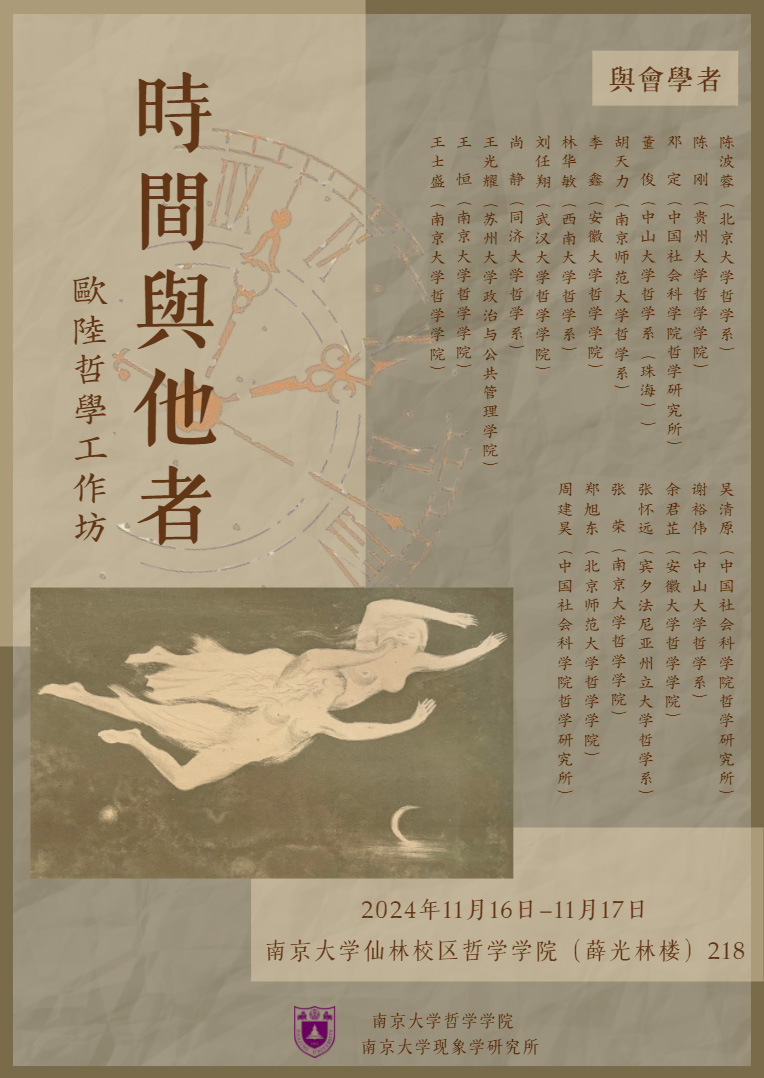
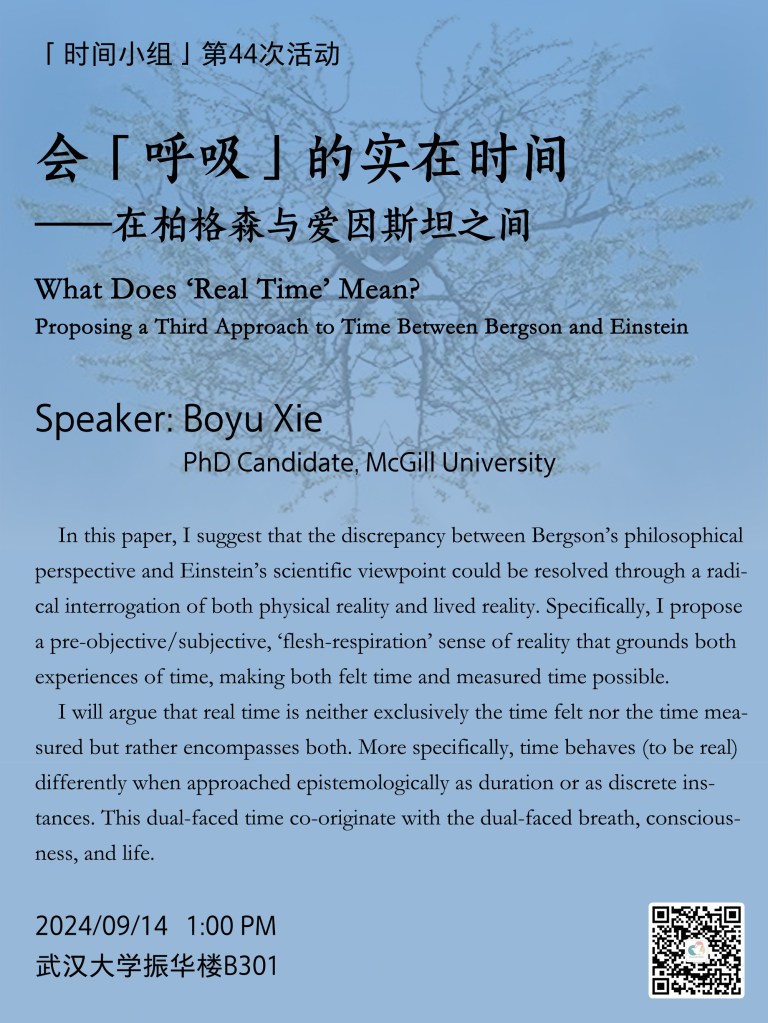
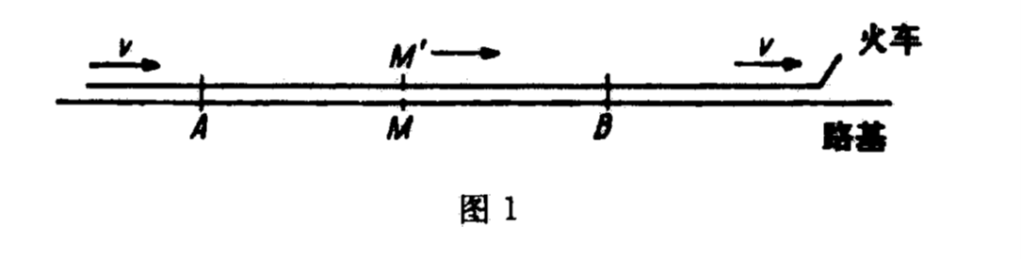
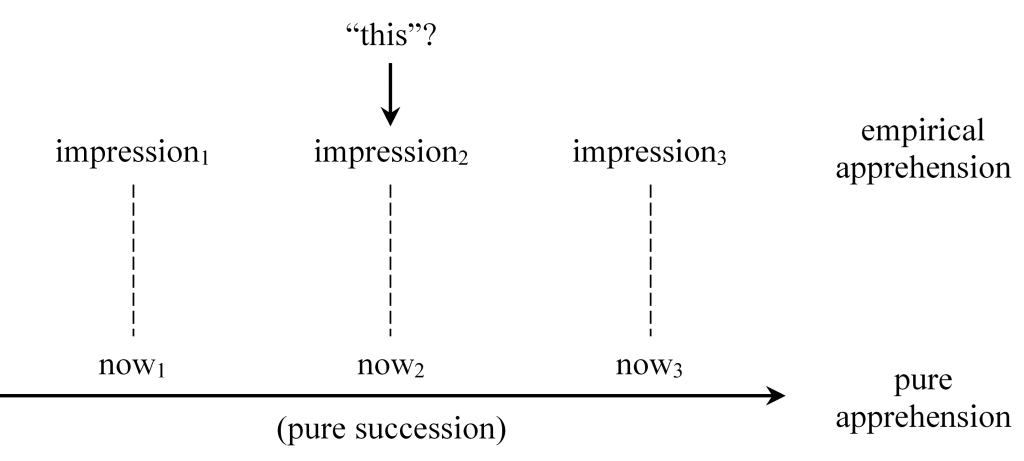
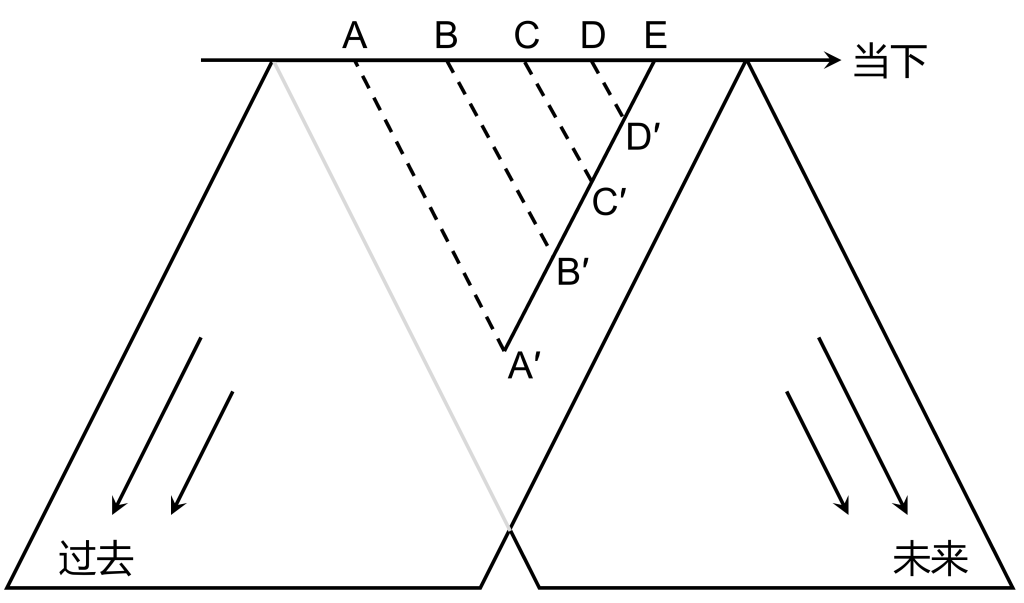
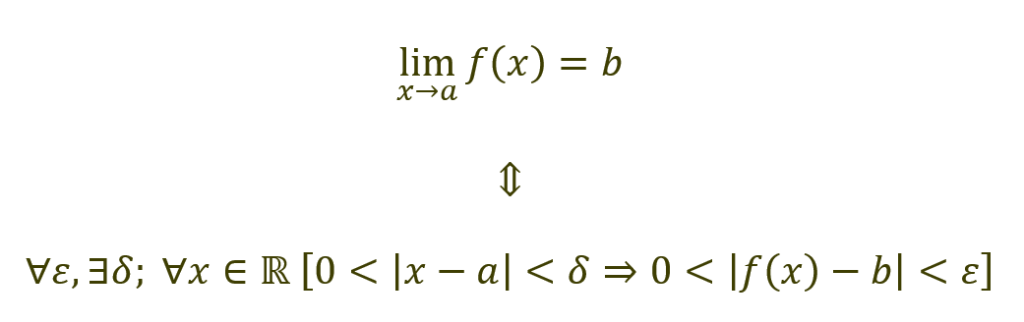








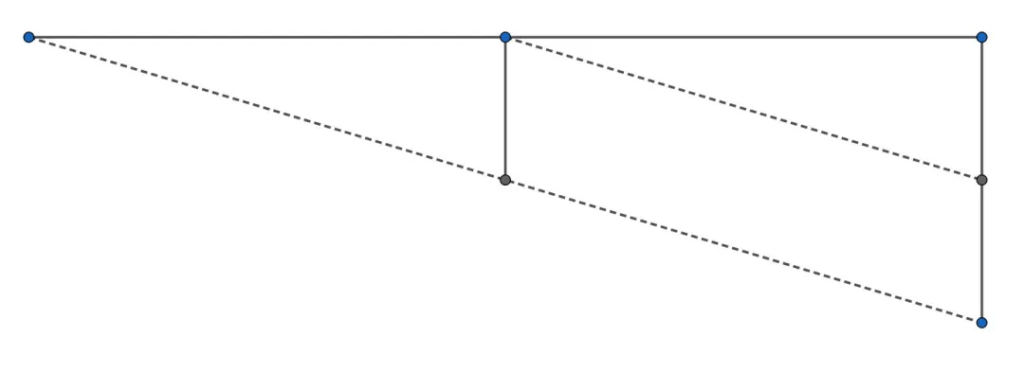
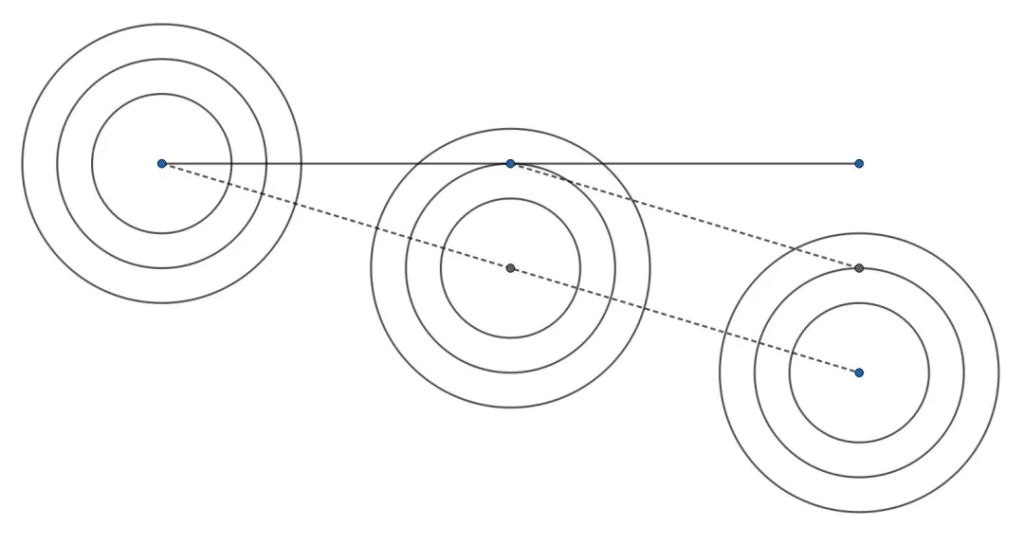

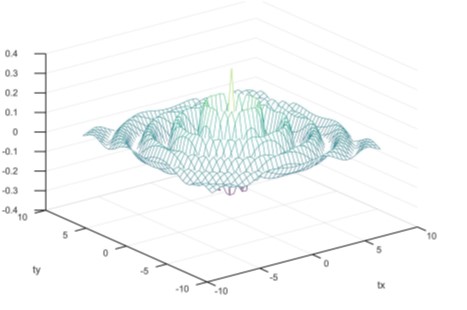



 时间小组|The Circle of Time